
Your Guide to Healthy Houseplants
A guide to healthy houseplants: choosing the right plant, watering, light and fixing common problems, for new and seasoned plant owners. A Plantburgh® guide.
A Reihl
12/10/20254 min read
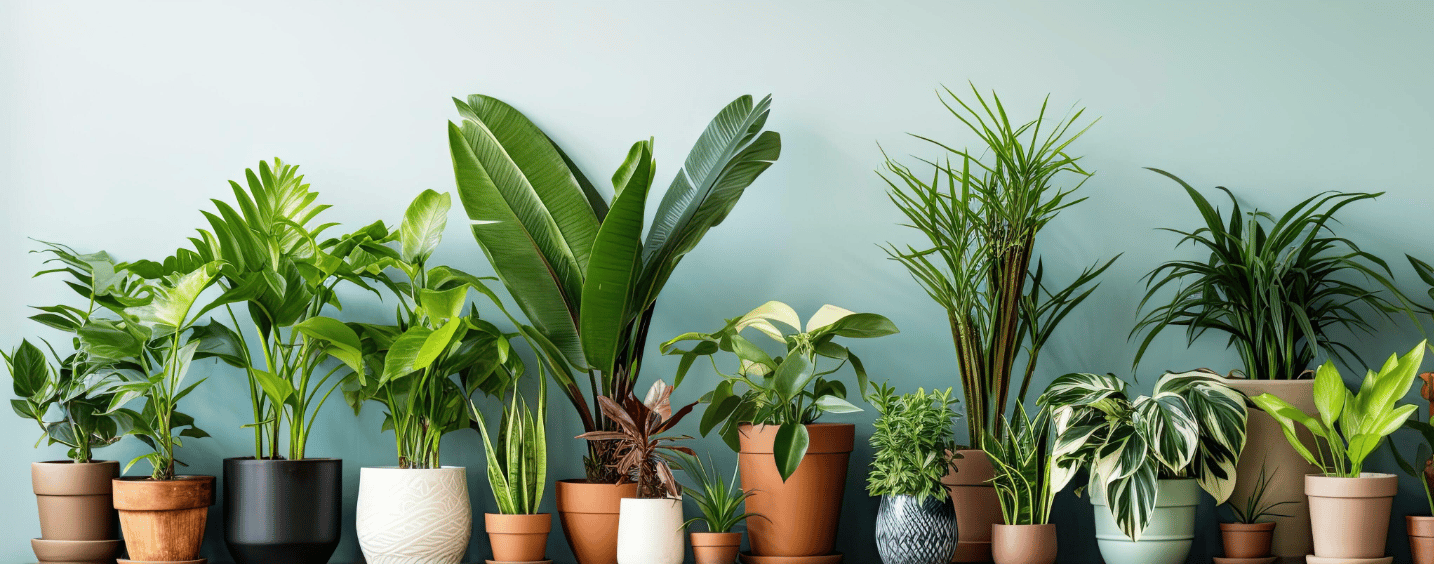
Bring the Beauty of Nature Indoors
Caring for houseplants is a rewarding way to connect with nature, purify your air, and add a touch of freshness and vibrancy to your home. Whether you're a seasoned "plant parent" with a home jungle or just starting with a single succulent, this guide provides essential tips and tricks for creating and maintaining a thriving indoor garden that brings you joy and enhances your living space.
I. Key to Success: Understanding the Essentials - The Foundation of a Flourishing Indoor Garden
Choosing the Right Plants: Matching Plants to Your Environment
Assess Your Space: Before you buy, honestly evaluate the light, humidity, and temperature conditions in your home. Observe how sunlight moves through your rooms throughout the day.
Beginner-Friendly Options: Start with easy-care, resilient plants like pothos (devil's ivy), snake plants (Sansevieria), spider plants, ZZ plants, and cast iron plants. These tolerate a range of conditions and are forgiving of neglect.
Consider Your Lifestyle: How much time are you willing to dedicate to plant care? If you travel frequently, choose drought-tolerant varieties.
Research, Research, Research: Once you have an idea of your environment, research specific plants and their needs. Look for plants labeled as "low-light," "drought-tolerant," or "easy to grow."
Watering Wisely: Mastering the Art of Hydration
The Overwatering Trap: Overwatering is the most common cause of houseplant death. Soggy soil deprives roots of oxygen, leading to root rot.
Know Your Plant's Needs: Each plant has different watering requirements. Some like to stay consistently moist, while others prefer to dry out between waterings.
The Finger Test: Stick your finger about an inch or two into the soil. If it feels dry, it's time to water. If it feels moist, hold off.
Bottom Watering: Place the plant's pot in a tray of water and allow it to absorb water from the bottom. This encourages deep root growth.
Drainage is Key: Ensure your pots have drainage holes to prevent water from accumulating at the bottom.
Adjust Seasonally: Plants generally need less water during the dormant winter months.
Proper Lighting: Illuminating Your Indoor Garden
Understanding Light Levels:
Direct Sunlight: Bright, intense light for at least 6 hours a day. Suitable for plants like succulents and cacti.
Indirect Sunlight: Bright light filtered through a curtain or located a few feet away from a sunny window. Ideal for many common houseplants.
Low Light: Tolerable light conditions in a north-facing room or a darker corner. Best for shade-loving plants like snake plants and ZZ plants.
Observe and Adjust: Pay attention to how your plants respond to light. If they're leggy (stretched and spindly), they likely need more light. If their leaves are scorched or faded, they might be getting too much.
Supplement with Artificial Light: If you don't have enough natural light, consider using grow lights to supplement.
Humidity Matters: Creating a Tropical Paradise
Why Humidity is Important: Many houseplants originate from tropical regions with high humidity. Dry indoor air can cause browning leaf tips and stunted growth.
Increase Humidity:
Grouping Plants: Plants release moisture through transpiration, so grouping them together creates a more humid microclimate.
Humidifier: A humidifier is an effective way to raise the humidity in a room.
Pebble Tray: Place your plants on a tray filled with pebbles and water. As the water evaporates, it increases the humidity around the plants.
Misting: Misting plants regularly can provide a temporary boost of humidity, but it's not a long-term solution.
Fertilizing: Nourishing Your Green Friends
Why Fertilize? Plants need nutrients to grow and thrive. Fertilizers provide these nutrients.
Balanced Fertilizer: Use a balanced liquid fertilizer diluted to half strength.
During the Growing Season: Fertilize your plants regularly during the spring and summer months when they're actively growing.
Avoid Over-Fertilizing: Over-fertilizing can burn the roots and damage the plant. Follow the instructions on the fertilizer package.
Dormant Season: Reduce or stop fertilizing during the fall and winter months when plants are dormant.
Repotting: Giving Your Plants Room to Grow
When to Repot: Repot your plants when they become root-bound (roots circling the pot), when growth slows down, or when you see roots emerging from the drainage holes.
Choose the Right Pot: Select a pot that's slightly larger than the current one.
Fresh Soil: Use a well-draining potting mix specifically formulated for houseplants.
Gentle Handling: Carefully remove the plant from its old pot, loosen the roots, and place it in the new pot.
Water Thoroughly: After repotting, water the plant thoroughly to help it settle in.
II. Beyond the Basics: Advanced Tips for a Thriving Indoor Garden
Pest Control: Learn to identify common houseplant pests like spider mites, aphids, and mealybugs. Treat infestations promptly with insecticidal soap or neem oil.
Pruning and Shaping: Pruning helps to maintain the shape of your plants and encourage new growth. Remove dead or damaged leaves and stems regularly.
Cleaning Leaves: Dust can accumulate on plant leaves, blocking sunlight and hindering photosynthesis. Wipe the leaves regularly with a damp cloth.
Air Circulation: Good air circulation helps to prevent fungal diseases and pests. Open windows or use a fan to improve airflow.
Choosing the Right Soil: Research the ideal soil composition for each plant. Succulents, for example, require well-draining soil to prevent root rot.
Propagation: Learn how to propagate your plants from cuttings or seeds to expand your collection.
III. Creating Your Indoor Garden: Design and Inspiration
Vertical Gardens: Maximize space with vertical gardens using wall-mounted planters or hanging baskets.
Plant Groupings: Create visually appealing arrangements by grouping plants with similar needs together.
Statement Plants: Use large, dramatic plants to make a bold statement in your living space.
Consider Aesthetics: Choose pots and planters that complement your home décor.
IV. Cultivating Green Serenity
With these tips and a little patience, you'll be well on your way to enjoying a healthy indoor garden. Remember that plant care is a learning process, so don't be afraid to experiment and adapt to your plants' needs. Enjoy creating a green space in your home, adding a touch of nature, and reaping the many benefits of living with plants. Embrace the beauty and tranquility that houseplants bring, and watch your indoor garden flourish!


Plantburgh®
Rooted in the 412.
Contact
contact@plantburgh.com
(412) 576-7894
© 2026 Plantburgh LLC. All rights reserved.
Hours
By appointment
Location
Pittsburgh, PA
Who We Serve
