
Choosing Indoor Plant Soil in Pittsburgh
Choosing indoor plant soil for Pittsburgh homes: the best mixes for common houseplants and how to help a new plant acclimate to your space. A Plantburgh® guide.
A. Reihl
1/7/20268 min read

Understanding Pittsburgh's Climate and Indoor Environment
Pittsburgh, Pennsylvania, presents unique climate conditions that significantly influence indoor gardening. Characterized by a humid continental climate, the city experiences four distinct seasons, which include hot summers, cold winters, and transitional seasons in between. In this setting, humidity levels fluctuate, often impacting the moisture retention of soils used for houseplants.
During the summer months, indoor temperatures can soar, coupled with high humidity, creating a good environment for certain houseplants. However, this combination can also lead to excess moisture, which can promote root rot if the soil used does not have proper drainage. Using well-draining soil mixes, enriched with perlite or sand, can help mitigate these risks, allowing excess water to escape and preventing stagnant conditions.
Conversely, the winter season in Pittsburgh often results in prolonged periods of cold and drier indoor air due to heating systems. This dry environment can stress houseplants and soil alike. Therefore, selecting a soil with good moisture retention properties is crucial for maintaining adequate hydration levels during these months. Soils that incorporate organic materials such as peat moss or coconut coir can prove beneficial, as they serve to retain moisture while still allowing excess drainage.
The transitional seasons, spring and fall, showcase variations in temperature and light availability, further affecting the indoor growth environment. Understanding these seasonal changes is vital when choosing soils for your houseplants, as the specific needs of the plants may vary throughout the year. Factor in the microclimates that exist within homes, such as those near windows or heat sources, to create the most suitable conditions for plant growth.
Key Characteristics of Ideal Houseplant Soil
The quality of potting soil plays a significant role in the successful growth of indoor houseplants. Selecting the right combination of materials can dramatically influence plants' health and vigor. Some key characteristics define ideal houseplant soil.
Firstly, drainage capabilities are crucial. Soil that drains well prevents water from pooling around the roots, thereby reducing the risk of root rot. This is particularly important in Pittsburgh's humid climate, where excessive moisture can lead to fungal diseases. A well-draining soil typically consists of components like perlite or coarse sand to enhance aeration and drainage.
Secondly, moisture retention must also be considered. While good drainage is essential, the soil must also retain adequate moisture to hydrate the plants without waterlogging. Soils that contain organic materials such as coconut coir or peat moss can effectively retain moisture while still facilitating drainage, creating an ideal balance that nurtures indoor houseplants.
Another important factor to consider is the pH level of the soil. Most houseplants thrive in a pH range of 6.0 to 7.0, which is slightly acidic to neutral. Soil testing kits are widely available and can help ensure that the soil pH aligns with the requirements of specific plant types.
Additionally, nutrient content is vital. Quality potting soils are enriched with essential nutrients like nitrogen, phosphorus, and potassium, which are crucial for plant growth. It is beneficial to periodically refresh the soil or supplement it with appropriate fertilizers to ensure plants receive the necessary nutrients over time.
Lastly, the presence of organic matter enriches potting soil, providing both nutrients over time and promoting beneficial microbial life that supports plant health. When selecting soils for indoor plants in Pittsburgh, ensuring they possess these key characteristics will foster an environment conducive to growth and vitality.
Types of Soils Available for Indoor Plants
When it comes to selecting the right soil for indoor house plants in Pittsburgh, it is essential to understand the various soil types available on the market. Each type of soil has its own unique properties tailored for different plant needs, ensuring optimal growth conditions. One of the most commonly used options is pre-mixed potting soils, which are readily accessible in most gardening stores. These potting soils are specially formulated to provide a balanced environment for a wide array of house plants, comprising essential nutrients, moisture retention capabilities, and excellent drainage.
Organic soils also deserve mention, as they are gaining popularity among gardeners seeking eco-friendly alternatives. Organic potting mixes are typically made from natural materials such as peat moss, coconut coir, and compost, promoting sustainability and reducing the use of synthetic fertilizers. The benefits of using organic soil include improved soil structure, enhanced microbial activity, and better water retention, which are vital for healthy plant growth.
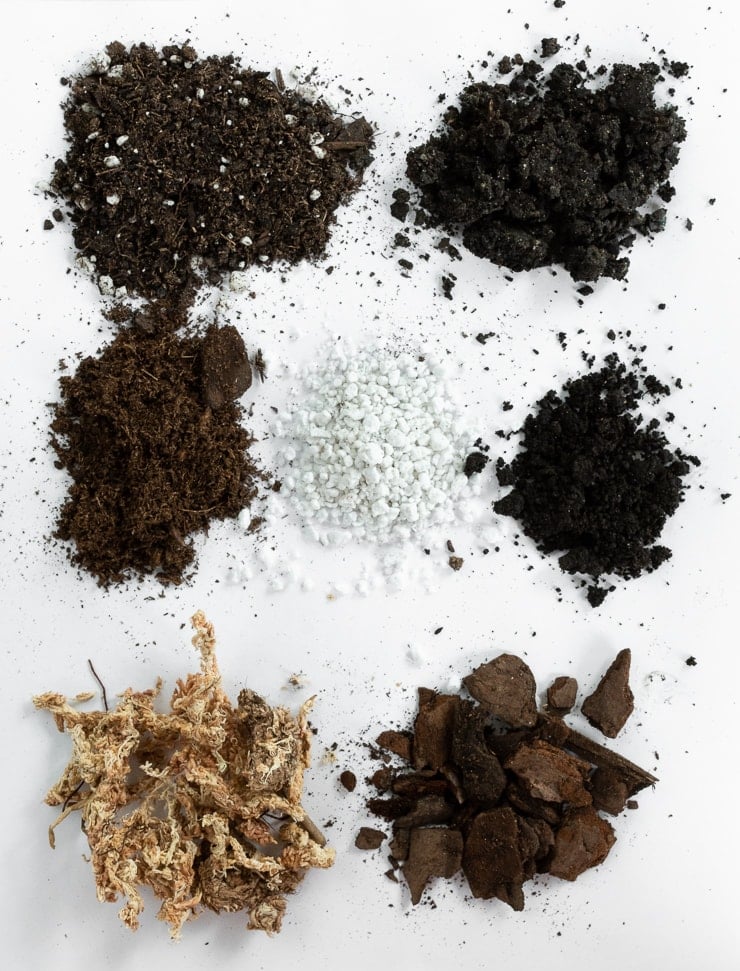
In addition to these, specialized blends are available, catering to specific types of indoor plants. For instance, cacti and succulents require well-draining soil, often consisting of sand or perlite mixed with regular potting soil, to accommodate their low moisture needs. Similarly, orchid potting mixes may incorporate bark or sphagnum moss to ensure adequate aeration. Understanding these specific requirements is crucial for indoor plant enthusiasts aiming for thriving greenery.
Lastly, those inclined towards more personalized solutions may find DIY soil mixes appealing. By combining various components like compost, potting soil, perlite, and peat, indoor gardeners can create tailored soil mixtures that satisfy the unique moisture, drainage, and nutrient needs of their plants. Crafting a DIY blend offers a level of customization that can significantly enhance the health and growth of indoor plants.
Environmental Considerations for Soil Choices
When selecting soil for indoor house plants, particularly in Pittsburgh, it is imperative to consider various environmental factors that contribute to sustainable gardening practices. The importance of eco-friendly materials cannot be overstated, especially as consumers become increasingly aware of the impact their purchases have on the environment. Soil is not merely a medium for growing plants; it is a living ecosystem that can affect both indoor and outdoor environments.
One of the primary considerations is the sourcing of materials used in commercial soil blends. Recycled and renewable resources, such as coconut coir or composted materials, should be prioritized. These options are not only sustainable but also provide essential nutrients for plants. Additionally, local suppliers can offer soil products that minimize the carbon footprint associated with transportation. Investigating the origins of the soil components can ensure that you choose products aligned with environmentally conscious gardening.
It is vital to consider the presence of chemical additives commonly found in some potting mixes. Many commercial soils contain synthetic fertilizers and pesticides that can leach into the environment, especially when disposed of improperly. By opting for organic soils or those certified as chemical-free, you can significantly reduce your ecological impact and promote healthier growth for your indoor plants.
Lastly, understanding the concept of soil biodiversity is essential. Healthy soil is comprised of various microorganisms that support plant health and resilience. Choosing soil that encourages diversity will not only benefit the plants but also contribute to a more balanced indoor environment. As part of your gardening strategy, taking these environmental considerations into account when selecting soil will foster sustainable practices and enhance the overall health of your indoor garden.
Assessing Your Plants' Needs
Understanding the specific needs of your indoor houseplants is essential for their thriving growth and well-being. Different species possess unique requirements regarding light, water, and humidity, which directly influence the type of soil suitable for their development. The first aspect to consider is the light requirement of your plants. Some plants, like succulents and cacti, thrive in bright, direct sunlight and prefer well-draining soil to prevent root rot. In contrast, species such as ferns and peace lilies flourish in low-light environments, necessitating a more moisture-retentive soil that can sustain their needs without waterlogging.
Next, evaluating the water needs of your plants is crucial. Certain varieties, such as snake plants and pothos, are more drought-tolerant, while others, like calatheas or spider plants, require consistent moisture levels. Therefore, the choice of soil can significantly affect how well the plant adapts to its watering schedule. For instance, a fast-draining soil mix works better for drought-sensitive species, ensuring that water does not linger around the roots for extended periods. Meanwhile, water-loving plants benefit from soils that hold moisture yet still provide adequate aeration.
Lastly, understanding the growth habits of your plants is vital in selecting the appropriate soil. Some plants, such as orchids, need a specialized potting medium that allows for airflow around the roots, whereas more traditional houseplants often perform better in all-purpose potting soil. By assessing these factors, you can ensure that your chosen soil complements your plants' growth habits, maximizing their potential and ensuring a healthier indoor garden.
Finding high-quality potting soils in Pittsburgh is essential for successful indoor gardening. Several reliable sources offer a variety of soils suited to different house plants' needs, ensuring optimal growth and plant health.
Local garden centers and nurseries are excellent starting points. Establishments like McKeesport Garden Center and Pittsburgh Garden Center not only provide a broad selection of potting soils but also offer expert advice tailored to the local climate. These centers often stock both standard and specialty soils, which may include organic options or soils fortified with nutrients designed for specific plant types.
Additionally, check out larger retailers such as Home Depot and Lowes, which provide more extensive inventories of soils suitable for house plants. These stores usually carry popular brands known for their quality and effectiveness. When purchasing from these retailers, it is crucial to read labels and product descriptions to ensure that the soil meets your plants' specific needs.
Online shopping has also become an increasingly popular method for purchasing potting soils. Websites like Amazons and Gardener’s Supply Company provide a vast array of options, often with customer reviews that help gauge quality. When buying soil online, select retailers that have a reputation for quality, and be mindful of shipping costs, especially for heavier items.
When evaluating soil quality at the point of purchase, consider examining the texture and color. Quality potting soil should feel crumbly and lightweight, and it should not contain large clumps or debris. A good potting mix will also have a rich, earthy smell. Additionally, inquire whether the soil has been tested for drainage and nutrient content; ideally, it should retain moisture while allowing excess water to drain away effectively.
By exploring both local resources and online platforms, residents can find high-quality soils that meet the specific needs of their indoor house plants.
Tips for Soil Maintenance and Replenishment
Maintaining healthy soil is crucial for the growth and overall well-being of your indoor house plants in Pittsburgh. Proper soil care involves a few key practices: repotting, soil replenishment, and composting. These techniques not only help sustain soil health but also enhance the growth and vitality of your plants.
Repotting should occur every 12 to 18 months or when you notice that your plants have outgrown their containers. This process involves carefully removing the plant from its pot and inspecting the root system. If the roots appear crowded or circling in the pot, it's time to upgrade to a larger pot with fresh soil. Choose a potting mix that is appropriate for your specific plant variety; this will provide the necessary nutrients and ensure good drainage. During repotting, gently loosen any tightly bound roots and discard any remaining old soil to help prevent pests and diseases.
Soil replenishment involves adding nutrients back to the soil as essential minerals become depleted over time. Regularly testing the soil's nutrient levels can guide you on what type of fertilizers to use. A balanced, slow-release fertilizer can be beneficial, especially during the growing season. Utilizing organic options, such as fish emulsion or seaweed extracts, can enhance soil health while being environmentally friendly.
Composting is another effective method to maintain nutrient-rich soil. Indoor composting can be achieved with kitchen scraps such as vegetable peels and coffee grounds, which provide essential nutrients when added back into the potting mix. Compost not only improves soil texture and aeration but also promotes beneficial microbial activity, creating a robust growing environment for your indoor plants.
In conclusion, proper soil maintenance is vital for the long-term success of indoor house plants. By incorporating repotting, soil replenishment, and composting into your plant care routine, you can support healthy growth and ensure that your indoor garden thrives all year round.


Plantburgh®
Rooted in the 412.
Contact
contact@plantburgh.com
(412) 576-7894
© 2026 Plantburgh LLC. All rights reserved.
Hours
By appointment
Location
Pittsburgh, PA
Who We Serve
