
How to Choose the Right Houseplants
How to choose the right houseplants for your light and lifestyle, with beginner-friendly options and the care basics that keep them alive. A Plantburgh® guide.
A Reihl
12/12/20253 min read
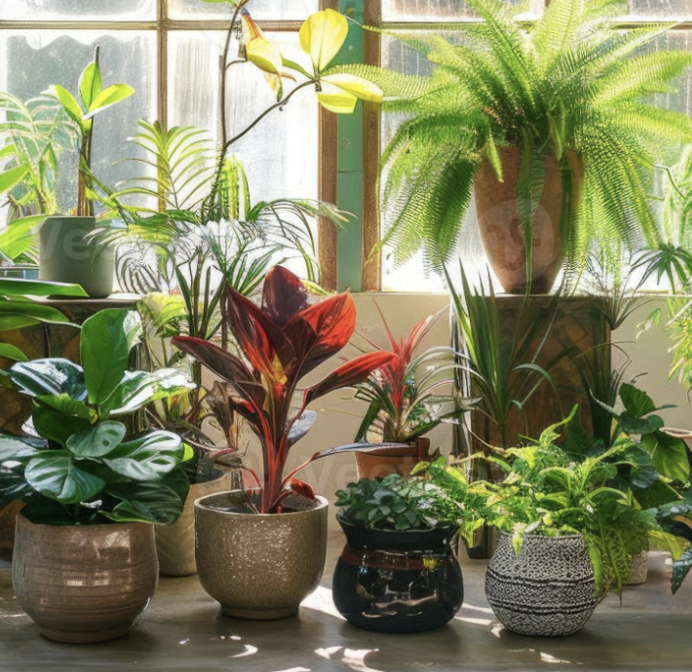
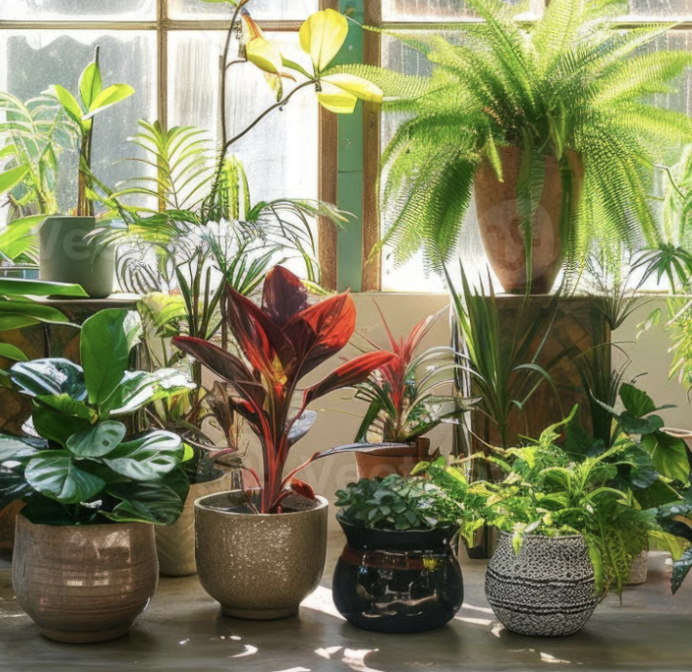
So, you're dreaming of a full, green indoor jungle. You envision yourself surrounded by thriving plants, breathing in fresh air, and generally feeling like a plant parent rockstar. But the reality can often be a little less... chlorophyll-filled. Instead of a verdant paradise, you might be facing a graveyard of crispy leaves and drooping stems.
Don't despair! The key to a successful indoor garden isn't just about having a green thumb; it's about choosing the right houseplants for your space and lifestyle. Think of it like finding the perfect pet, you need a plant that matches your home environment and your level of commitment.
Here's your quick guide to choosing the right houseplants and setting yourself up for success:
1. Know Your Light (The Sun is Your Friend… or Foe!)
This is the most crucial factor. Understanding the light in your home is the foundation of happy houseplants. Observe your windows throughout the day and ask yourself:
How much light does each window get? (Direct, indirect, low?)
Which direction does it face? (South-facing windows get the most light, north-facing the least.)
Are there any obstructions? (Buildings, trees, curtains can all affect light levels.)
Here's a quick rundown of light levels and plant suggestions:
Bright, Direct Light (South-facing windows): Succulents, cacti, herbs like basil, citrus trees (with proper care!)
Bright, Indirect Light (East or West-facing windows, or filtered south-facing): Snake plants (Sansevieria), ZZ plants, pothos, monstera, fiddle leaf figs (these can be tricky!), peace lilies, calathea
Low Light (North-facing windows, or further away from a window): Snake plants (again, they're tough!), ZZ plants (another super hardy option!), cast iron plant, peace lily (tolerates, but might not flower)
Tip: If you're unsure, use a light meter app on your phone to get a more accurate reading.
2. Consider Your Lifestyle (Are You a Frequent Traveler or Homebody?)
Be honest with yourself! How much time and energy are you really willing to dedicate to plant care?
Low Maintenance (For the Forgetful or Busy): Snake plants, ZZ plants, pothos, succulents, cacti
Moderate Maintenance (A Little TLC Required): Monsteras, peace lilies, spider plants, philodendrons
High Maintenance (For the Dedicated Plant Parent): Fiddle leaf figs, orchids, calatheas
Think about watering habits too! Some plants prefer to dry out completely between waterings, while others like to stay consistently moist. Choose plants that align with your watering preferences.
3. Check Your Humidity (Tropical Plants Need a Spa Day!)
Many popular houseplants originate from tropical environments and thrive in high humidity. If your home is dry (especially during winter), you'll need to consider plants that tolerate low humidity or find ways to increase it.
Plants that Tolerate Low Humidity: Snake plants, ZZ plants, spider plants, succulents, cacti
Plants that Prefer High Humidity: Calatheas, ferns, orchids, prayer plants
Ways to Increase Humidity:
Group plants together: Plants transpire and create a more humid microclimate.
Use a humidifier: The most effective way to boost humidity.
Pebble tray: Place your plants on a tray filled with pebbles and water.
Mist plants regularly: This is less effective but provides a temporary boost.
4. Consider Your Space (Size Matters!)
Don't cram a giant monstera into a tiny apartment! Think about the mature size of the plant and how it will fit into your space.
Small Spaces: Succulents, air plants, small ferns, pothos
Larger Spaces: Monsteras, fiddle leaf figs, snake plants (they come in various sizes!), tall cacti
Vertical gardening is also a great option for small spaces. Use hanging planters or wall-mounted shelves to create a green wall.
5. Do Your Research (Google is Your Friend!)
Once you've narrowed down your options based on light, lifestyle, and space, do some research on the specific plants you're interested in. Learn about their watering needs, soil preferences, and potential problems.
6. Buy Healthy Plants (Inspect Before You Invest!)
When buying plants, look for signs of health:
Healthy foliage: Rich color, no brown spots or yellowing leaves.
Strong stems: No wilting or drooping.
No pests: Check for insects on the leaves and stems.
Well-draining soil: Avoid plants sitting in soggy soil.
7. Don't Be Afraid to Start Small (Rome Wasn't Built in a Day!)
Start with a few easy-care plants and gradually expand your collection as you gain confidence. Don't be discouraged if you lose a plant or two along the way, it's all part of the learning process!
Choosing the right houseplants is a rewarding experience that can bring joy and beauty into your home. By considering your light, lifestyle, and space, you can create a thriving indoor garden that will flourish for years to come. So, go forth, explore the world of houseplants, and find your inner green thumb! Happy planting!



Plantburgh®
Rooted in the 412.
Contact
contact@plantburgh.com
(412) 576-7894
© 2026 Plantburgh LLC. All rights reserved.
Hours
By appointment
Location
Pittsburgh, PA
Who We Serve
