
Hummingbird Garden Design in Pittsburgh
Hummingbird garden design for Pittsburgh: native plants like lobelia and trumpet creeper, bloom timing, and what hummingbirds eat beyond sugar water and nectar.
A. Reihl
1/3/20267 min read


Why Ruby-Throated Hummingbirds Aren't Visiting Your Yard
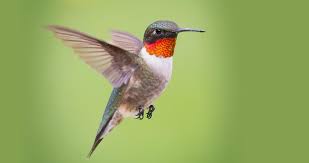
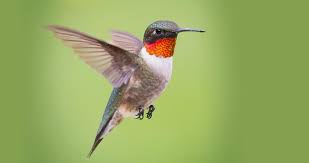
TL;DR: Ruby-throated hummingbirds migrate through Pittsburgh April-October, but most gardens fail to attract them because of poor plant timing, wrong species selection, and improper feeder placement. Professional garden design ensures your Shadyside or Squirrel Hill property becomes a hummingbird stop, not just another yard they fly past. Schedule your consultation now.
You've hung expensive hummingbird feeders. You planted red flowers. You've waited all summer.
And you've seen exactly zero hummingbirds.
Meanwhile, your neighbor in Mount Lebanon has dozens of ruby-throated hummingbirds battling over territory every evening. What's the difference? It's not luck, it's strategic garden design that accounts for Pittsburgh's specific migration patterns, bloom timing, and microclimate challenges.
Why Most Pittsburgh Hummingbird Gardens Fail
The Bloom Timing Problem
Here's what happens: You plant gorgeous trumpet vines and bee balm based on generic advice. They bloom beautifully in July and August. But ruby-throated hummingbirds arrive in Pittsburgh in late April and start migrating south by September.
If your garden peaks in midsummer, you're missing the critical periods:
April-May arrival: Hungry hummingbirds need early nectar sources after their 500+ mile migration from Central America
August-September departure: Birds need energy-dense nectar to fuel the return journey
Most amateur gardens create a "nectar gap", nothing blooming when hummingbirds need it most.
What Actually Works: Succession planting with early-blooming natives (Eastern columbine, wild azalea, flowering currant) that bridge to summer bloomers (bee balm, cardinal flower) and late-season options (salvia, jewelweed). This requires understanding Pittsburgh's frost dates, soil conditions, and microclimates, expertise developed over years, not weekends.
The Native Plant Confusion
The Problem: Garden centers sell gorgeous non-native hummingbird plants that work beautifully in North Carolina or California. In Pittsburgh? They either winter-kill, bloom at wrong times, or fail to attract the insects ruby-throated hummingbirds need for protein.
Ruby-throated hummingbirds evolved with Pennsylvania native plants. Their migration timing, feeding patterns, and nesting schedules align with when specific native species bloom. Planting tropical salvias or exotic fuchsias disrupts this relationship.
Pittsburgh-Specific Native Plants Hummingbirds Actually Need:
Early Season (April-May):
Eastern columbine (Aquilegia canadensis) - blooms exactly when hummingbirds arrive
Wild azalea (Rhododendron periclymenoides) - native to Pennsylvania woodlands
Flowering currant (Ribes odoratum) - critical early nectar source
Mid-Season (June-July):
Bee balm (Monarda didyma) - native to Eastern forests
Cardinal flower (Lobelia cardinalis) - thrives in Pittsburgh's moisture patterns
Coral honeysuckle (Lonicera sempervirens) - not the invasive Japanese variety
Late Season (August-September):
Trumpet creeper (Campsis radicans) - native vine for migration fuel
Jewelweed (Impatiens capensis) - grows wild along Pittsburgh streams
Blue lobelia (Lobelia siphilitica) - late-blooming native
Notice the pattern? These aren't random "pretty flowers", they're strategically timed native species that provide continuous nectar from April arrival through September departure.
The Feeder Mistake Everyone Makes
You probably did this: Bought a feeder in May, filled it with 4:1 sugar water, hung it on your deck, and waited for hummingbirds.
Why it failed: Feeders supplement gardens, they don't replace them. Hummingbirds find gardens first (from hundreds of feet away using visual cues), then discover feeders near those gardens. A feeder in a plant-less yard gets ignored.
Additional Pittsburgh-Specific Feeder Problems:
Placement in full sun: Pittsburgh's July heat ferments sugar water in 2-3 days, creating dangerous mold
Single feeder syndrome: Male hummingbirds defend territories aggressively, one feeder means one male excludes all others
Wrong timing: You put feeders out in May when experienced birders already had them up by early April
October removal: You took feeders down too early, stragglers migrate through mid-October
Professional Approach:
Multiple feeders positioned out of sight from each other (reduces territorial fighting)
Shaded locations near native plant clusters
Weekly cleaning protocol (more frequent in heat)
Early April deployment, late October removal
4:1 ratio only (never add red dye, it's potentially harmful)
The Pittsburgh Microclimate Factor Nobody Mentions
Your North Side property has different hummingbird needs than your friend's Sewickley estate. Here's why:
River Valley Properties (North Shore, South Side, Strip District)
Conditions: Higher humidity, morning mist, later frost dates Hummingbird Implications: Can support moisture-loving cardinal flowers and jewelweed naturally; earlier spring arrivals due to warmer microclimates Design Strategy: Emphasize water-loving natives near natural drainage; create layered gardens with taller trees for perching
Hilltop Properties (Mount Washington, Observatory Hill)
Conditions: Wind exposure, earlier frosts, faster drainage Hummingbird Implications: Hummingbirds seek wind protection; need drought-tolerant species Design Strategy: Windbreak plantings with native shrubs; bee balm and columbine that handle drier conditions
Suburban Dense Areas (Shadyside, Squirrel Hill, Mount Lebanon)
Conditions: Tree canopy shade, competing gardens Hummingbird Implications: Lower natural light affects bloom intensity; more competition for territory Design Strategy: Shade-tolerant natives like wild columbine; strategic feeder placement away from neighboring yards
Converted Industrial/Lawrenceville Lofts
Conditions: Large paved areas, heat islands, limited green space Hummingbird Implications: Container gardens and rooftop plantings become critical oases Design Strategy: High-density container plantings with continuous bloomers; multiple water sources
Understanding your specific Pittsburgh microclimate determines which native plants thrive, and which will disappoint.
Why "Just Plant Red Flowers" Advice Fails
The Myth: Hummingbirds only like red flowers, so just plant anything red.
The Reality: Ruby-throated hummingbirds prefer tubular flowers regardless of color (they visit blue salvias, purple bee balm, orange jewelweed). The "red preference" is real but overemphasized, especially when it leads people to plant non-native red flowers that bloom at wrong times.
What Actually Matters:
Tubular flower structure (allows their specialized bills to reach nectar)
Native species adapted to Pittsburgh (bloom timing matches migration)
Succession bloom schedule (continuous nectar April-October)
Insect populations (protein source for adults and chicks)
A garden of red petunias looks pretty but fails because petunias are shallow-throated annuals with minimal nectar that don't support the insect populations hummingbirds need.
The Professional Garden Design Advantage
Amateur Approach:
Buy plants based on "hummingbird friendly" tags
Plant randomly in available sunny spots
Hope hummingbirds notice
Wonder why it doesn't work
Professional Approach:
Site Analysis: Evaluate sun exposure, soil type, drainage patterns, microclimate
Succession Planning: Select 15-20 native species with overlapping bloom times
Strategic Layout: Create "approach corridors" hummingbirds can see from flight paths
Habitat Integration: Include perching trees, nesting shrubs, water sources
Maintenance Protocol: Pruning schedules that don't disrupt bloom timing
Feeder Strategy: Multiple feeders positioned to minimize territorial aggression
The difference isn't effort: it's expertise. Professional designers understand that a successful hummingbird garden in Pittsburgh requires:
Knowledge of 50+ native species and their specific requirements
Understanding Pittsburgh's frost dates, soil chemistry, and microclimate variations
Experience with succession planting to ensure April-October bloom
Relationships with nurseries carrying native Pennsylvania species (not commonly stocked)
Awareness of invasive plants to avoid (like Japanese honeysuckle)
The Hidden Cost of DIY Hummingbird Gardens
You'll spend:
$300-$600 on plants (many wrong for Pittsburgh, wrong bloom timing)
$100-$200 on feeders and supplies
20+ hours researching what to plant
15+ hours shopping nurseries for specific species
10+ hours planting and rearranging
Entire season watching zero hummingbirds visit
Then you'll:
Replace plants that winter-killed
Realize your bloom timing was wrong
Try again next year with different species
Spend another $400+ and countless hours
After 2-3 years and $1,500+, you might stumble onto the right combination. Or you hire professionals who already know.
When Professional Design Makes Sense
You Should Consider Professional Help If:
You Value Your Time Highly Researching native species, finding specialized nurseries, learning succession planting, this expertise takes years to develop. If your time is worth $100+/hour professionally, expert design and installation saves money.
You Want Results Sooner Professional designers know which native combinations work in Pittsburgh. Your investment creates a functioning hummingbird habitat immediately, not "maybe in 3 years."
You Have a High-End Property Your Sewickley estate or Fox Chapel home deserves landscape design that works. Amateur trial-and-error creates years of disappointing results that clash with your property's quality.
You're Frustrated by Failures You've tried multiple times. Spent hundreds on plants. Still no hummingbirds. Professional analysis identifies exactly why previous attempts failed.
You Want Integrated Landscape Design Professional designers create hummingbird gardens that enhance overall landscape aesthetics, not just "random flowers that might work."
You Can DIY If:
You have 20+ hours to invest in research and sourcing
You're willing to accept 2-3 years of trial and error
You enjoy the learning process more than results
You have small-scale ambitions (a few plants, not full garden design)
You don't mind potentially wasting $500+ on wrong plants
The Plantburgh Approach: Pittsburgh-Native Expertise
Creating successful hummingbird habitats in Pittsburgh requires understanding both horticulture and local ecology. Ruby-throated hummingbirds don't read generic gardening blogs, they respond to native plants that evolved alongside their migration patterns.
Plantburgh's Hummingbird Garden Service includes:
Site Analysis:
Microclimate evaluation specific to your property
Soil testing and drainage assessment
Sun exposure mapping throughout the season
Existing vegetation integration opportunities
Custom Design:
Native species selection with April-October succession bloom
Strategic layout maximizing visibility from hummingbird flight paths
Integration with existing landscape aesthetics
Perching tree and nesting shrub recommendations
Professional Installation:
Sourcing Pennsylvania-native plants from specialized nurseries
Proper spacing and depth for optimal establishment
Soil amendment for species-specific requirements
Initial watering and mulching protocol
Maintenance Guidance:
Feeder placement strategy and cleaning schedules
Pruning timing that preserves bloom cycles
Seasonal care adjustments for Pittsburgh climate
Long-term succession planning as garden matures
Post-Installation Support:
First-season monitoring and adjustments
Problem diagnosis if hummingbirds don't appear as expected
Species replacement if plants underperform
Guidance on expanding successful areas
Real Results from Pittsburgh Properties
"We tried for three years to attract hummingbirds with feeders and random 'hummingbird plants.' Plantburgh designed our garden in March, and by May we had our first ruby-throats. Now we see 15-20 daily.", Katherine B., Shadyside
"The difference was bloom timing: our old garden peaked in July when hummingbirds were scarce. The new design has something blooming from April through September. Game changer.", Robert & Lisa M., Sewickley
"I thought I knew plants, but I didn't understand Pittsburgh-native species or succession planning. Professional design delivered results my DIY attempts never achieved.", James T., Squirrel Hill
Stop Guessing. Start Attracting.
Ruby-throated hummingbirds migrate through Pittsburgh every spring and summer. Thousands of them. They're looking for nectar sources, but most gardens don't provide what they need, when they need it.
You can spend years experimenting with generic advice, wasting money on wrong plants and watching hummingbirds fly past. Or you can work with professionals who understand Pittsburgh's native ecology, microclimate variations, and the specific requirements of ruby-throated hummingbirds.
Your property deserves better than trial-and-error gardening. It deserves strategic design that turns your yard into a hummingbird destination, this season, not "maybe someday."
Plantburgh | Expert Plant Care Specialists | Serving Pittsburgh, Pa, Shadyside, Squirrel Hill, Fox Chapel, Sewickley, Mount Lebanon & Beyond |


Plantburgh®
Rooted in the 412.
Contact
contact@plantburgh.com
(412) 576-7894
© 2026 Plantburgh LLC. All rights reserved.
Hours
By appointment
Location
Pittsburgh, PA
Who We Serve
