
Monstera Care Tips and Tricks
Monstera care made simple: light, watering, support and propagation tips for big, healthy leaves on your favorite tropical houseplant. A Plantburgh® care guide.
A Reihl
12/17/20257 min read


A Quick Guide to Monstera Plants
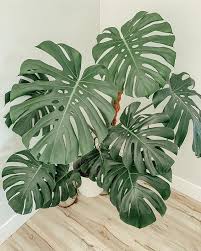
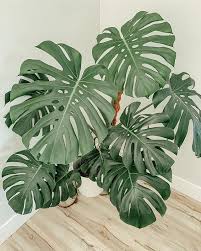
If you're a plant lover, you’ve undoubtedly heard of the Monstera plant, affectionately known as the Swiss Cheese plant for its iconic, fenestrated leaves. With its glossy green leaves, air-purifying qualities, and relative ease of care, it’s no wonder that Monstera has become a favorite among houseplant enthusiasts, interior designers, and social media influencers alike. But beneath the Instagrammable exterior lies a plant with specific needs. In this ultimate guide, we’ll explore everything you need to know to keep your Monstera thriving, from its origins to advanced care techniques.
A Monstera's Tale: Origin and Varieties
The Monstera genus, native to tropical forests of Central and South America, comprises over 40 different species. While Monstera deliciosa is the most commonly grown as a houseplant, understanding its natural environment is key to providing optimal care. These plants are epiphytes and hemiepiphytes, meaning they can grow on other plants for support, sending down aerial roots to anchor themselves and absorb nutrients. This understanding will inform how we pot and support our Monsteras indoors.
Beyond the standard Monstera deliciosa, explore these captivating varieties:
Monstera borsigiana: A smaller, faster-growing variety often confused with deliciosa. Its leaves tend to be thinner and more heart-shaped.
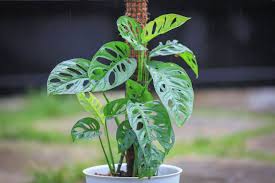
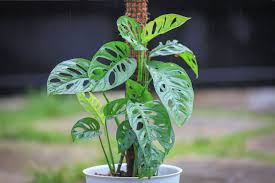
Monstera adansonii: The "Swiss Cheese Vine," with smaller, more numerous holes and a vining growth habit.
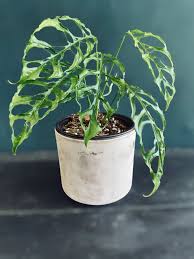
Monstera obliqua: A rare and highly sought-after species with extremely fenestrated leaves, leaving more hole than leaf. This one is a true challenge to grow indoors.
Monstera standleyana: A less common variety with solid green leaves, sometimes speckled with white or yellow. It has a more upright growth habit.
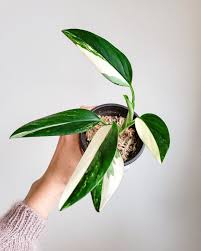
Monstera 'Thai Constellation': A patented cultivar with stable creamy white variegation. Slower growing and more expensive but highly desirable.
Monstera 'Albo Variegata': A Monstera deliciosa with unstable white variegation. Leaf patterns are random, making each plant unique and highly valuable.
Choosing the Right Environment: Recreating the Rainforest at Home
The first step in caring for your Monstera is to find the perfect spot for it in your home. Think tropical rainforest!
Light: Monstera plants thrive in bright, indirect sunlight. While they can handle lower light levels, you may notice slower growth, fewer fenestrations (holes) in the leaves, and a duller color. Ideally, place your Monstera near an east-facing or slightly shaded south-facing window where it can soak up the natural light without being exposed to harsh, direct sunlight, which can scorch its beautiful leaves. A sheer curtain can help filter strong sunlight.
Temperature: Monsteras prefer temperatures between 65°F and 80°F (18°C - 27°C). Avoid placing them near drafts or heating/cooling vents.
Humidity: As tropical plants, Monsteras appreciate high humidity. Aim for 60% or higher. Increase humidity by grouping plants together, using a humidifier, or placing the plant on a pebble tray filled with water.
Watering and Feeding Your Monstera: The Delicate Balance
Next up is watering: one area where many plant parents struggle. Understanding the epiphytic nature of Monsteras is crucial.
Watering: Monstera plants prefer to dry out slightly between waterings. A good rule of thumb is to check the top 2-3 inches of soil; if it feels dry, it’s time for a drink. Insert your finger into the soil to check moisture levels. Don't rely solely on the surface. Always use well-draining potting mix to prevent root rot. Water thoroughly until water drains from the bottom of the pot, then discard the excess water. Reduce watering frequency in the winter months when the plant's growth slows down.
Feeding: To help your Monstera flourish and produce those impressive leaves, consider feeding it with a balanced liquid fertilizer (20-20-20) diluted to half strength every month during the growing season (spring and summer). Reduce feeding to every other month in the fall and winter. Alternatively, you can use slow-release fertilizer pellets in the spring.
Potting and Repotting: Giving Room to Grow
As your Monstera grows, it will eventually outgrow its pot. Repotting provides fresh nutrients and space for the roots to expand.
When to Repot: When you notice roots circling the pot, emerging from the drainage holes, or if the plant becomes root-bound (the root ball is dense and fills the entire pot), it’s time to repot. Repotting is best done in the spring or early summer.
Choosing a Pot: Choose a pot that’s one size larger (2-4 inches wider in diameter) with excellent drainage. Terra cotta pots are a great option as they allow the soil to breathe and dry out more quickly, reducing the risk of root rot.
Potting Mix: Use a well-draining potting mix specifically formulated for houseplants. You can amend a standard potting mix with perlite, orchid bark, or coco coir to improve drainage and aeration. A mix of 1 part potting soil, 1 part perlite, and 1 part orchid bark works well.
Repotting Process: Gently remove the plant from its old pot, being careful not to damage the roots. Loosen the root ball slightly and remove any dead or decaying roots. Place a layer of fresh potting mix in the bottom of the new pot, center the plant, and fill in the remaining space with potting mix. Water thoroughly after repotting.
Supporting Your Monstera: Upwards and Onwards
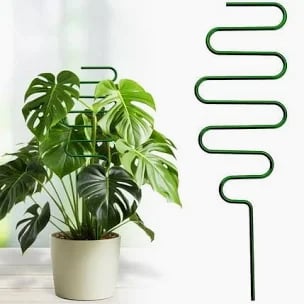
Monsteras are natural climbers. Providing support encourages larger leaves and a more upright growth habit.
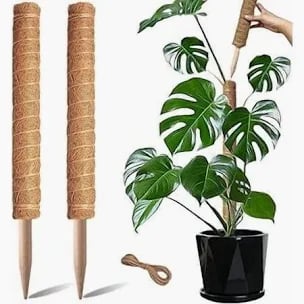
Moss Pole: A moss pole provides a textured surface for aerial roots to attach, mimicking the plant's natural environment. Keep the moss pole consistently moist by misting it regularly.
Trellis: A trellis offers support for the plant to climb and can be used in various shapes and sizes.
Stakes: Simple stakes can provide support for individual stems.
Propagation Tips: Sharing the Monstera Love
If you're eager to expand your plant collection or share the joy of Monstera with friends and family, propagating your Monstera is an exciting option.
Stem Cuttings: The most common method. Take stem cuttings with at least one node (the point where a leaf emerges from the stem) and some leaves. Place the cutting in water, ensuring the node is submerged but the leaves are above the water line. Change the water every few days. Roots should begin to form within a few weeks. Once the roots are a few inches long, pot the cutting in well-draining potting mix.
Air Layering: Another effective method. Wrap a node with moist sphagnum moss and cover it with plastic wrap to create a humid environment. Once roots have formed within the moss, cut the stem below the roots and pot the new plant.
Seed Propagation: Possible but less common and requires patience. Seeds are hard to come by and germination rates are low.
Common Issues and Troubleshooting: Decoding the Distress Signals
Despite our best efforts, sometimes things go wrong. Learning to recognize the signs of common Monstera issues can help you address them quickly.
Yellowing Leaves: This could be a sign of overwatering, underwatering, nutrient deficiency, or pest infestation. Check the soil moisture, inspect for pests, and adjust your watering and feeding schedule accordingly.
Drooping Leaves: This can indicate thirst, lack of humidity, or root rot. Check the soil moisture and humidity levels.
Brown Leaf Tips: Often caused by low humidity or inconsistent watering.
Lack of Fenestrations (Holes): Insufficient light is the most common cause. Move your plant to a brighter location.
Root Rot: Caused by overwatering and poor drainage. Repot the plant in fresh potting mix, removing any rotten roots.
Pests: Monsteras can be susceptible to spider mites, mealybugs, and aphids. Inspect your plant regularly and treat infestations promptly with insecticidal soap or neem oil.
Aerial Roots Growing Wildly: This is normal! You can guide them towards a moss pole or trellis, or simply trim them if they become too unruly.
Advanced Care Techniques: Taking Your Monstera to the Next Level
Leaf Polishing: Gently wipe the leaves with a damp cloth to remove dust and debris, allowing the plant to photosynthesize more efficiently and enhancing its natural shine.
Regular Pruning: Pruning can help maintain the shape of your plant, encourage new growth, and remove any dead or damaged leaves.
Seasonal Adjustments: Adjust your watering and feeding schedule based on the season. Reduce watering in the winter months when the plant's growth slows down.
Monstera plants are not only stunning but also relatively easy to care for with the right guidance. By understanding their natural environment, providing a suitable indoor habitat, following proper watering and feeding guidelines, and learning how to propagate and troubleshoot common issues, you can enjoy the beauty of these plants for years to come. So, embrace the Monstera magic, and watch your indoor jungle flourish!




Plantburgh®
Rooted in the 412.
Contact
contact@plantburgh.com
(412) 576-7894
© 2026 Plantburgh LLC. All rights reserved.
Hours
By appointment
Location
Pittsburgh, PA
Who We Serve
