What Plantburgh Does: Elite Botanical Curation for Pittsburgh's Premier Properties

Plantburgh provides evolutionary biology-based botanical maintenance for elite Pittsburgh properties where generic plant care fails. We prevent the $2,000-$6,000 annual specimen losses typical of DIY approaches through Pittsburgh-specific protocols addressing radiator heat (15-25% humidity), limited light (160 sunny days annually), and seasonal transitions. Your Shadyside Victorian or Fox Chapel estate receives bi-monthly specialist visits, 24/7 concierge support, not commodity watering services.

A. Reihl

1/27/20268 min read

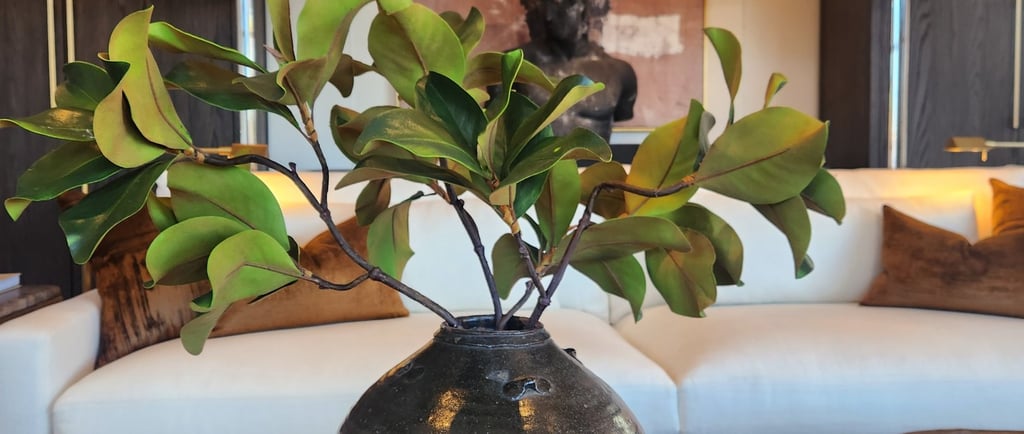
Plant in Pot
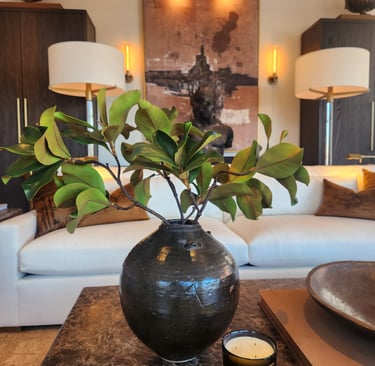
Plant in Pot

Professional Plant Care for Pittsburgh Properties

TL;DR: Plantburgh provides professional plant care and maintenance ($1,850-$11,200/month) for Pittsburgh properties where DIY approaches keep failing. We handle everything from consultations and procurement to installation and ongoing care. Your Shadyside Victorian or Fox Chapel contemporary gets bi-weekly specialist visits that actually understand Pittsburgh's brutal winters, limited light, and radiator heat. Property owners save time, money, and the frustration of watching expensive plants slowly die. Schedule Your Consultation.

What Most People Try Before Calling Us

Your home has $8,000 worth of plants. Maybe more. You've got a Monstera Thai Constellation that cost $500. A Fiddle-Leaf Fig that was supposed to be "easy care." Some orchids that looked stunning when you bought them.

Eighteen months later? The Monstera stopped producing those beautiful split leaves. The Fiddle-Leaf dropped half its foliage. The orchids never rebloomed. You've replaced specimens. You've bought grow lights and humidifiers. You've taken online courses.

Nothing worked.

Here's the thing: you're not bad at plant care. Pittsburgh's climate is just hostile to most tropical plants, and nobody tells you that upfront.

Those beautiful plants evolved in Southeast Asian rainforests with consistent humidity and 12-hour days. Your Shadyside Victorian has radiator heat creating desert-level humidity (15-25%) and gets maybe 9 hours of weak winter sun. Generic care advice assumes you live in California, not Pittsburgh.

That's where we come in.

What We Actually Do

Plantburgh isn't a "watering service." We're not showing up to water your plants on a schedule and leave. We're plant specialists who actually understand Pittsburgh's specific challenges and know how to work with them.

Plant Care & Maintenance

This is what most clients hire us for. Bi-Weekly visits where we handle everything:

What Happens During Visits:

  • Check soil moisture (based on actual conditions)

  • Prune and groom for healthy growth

  • Watch for pests before they become problems

  • Fertilize based on Pittsburgh's light cycles (not calendar dates)

  • Adjust care as seasons change

  • Rotate plants for balanced growth

Why Bi-Weekly: Pittsburgh's seasonal transitions are brutal. October hits and your heating kicks on—humidity plummets overnight. April arrives and suddenly temperatures swing 30 degrees between day and night. Plants need adjustments every two weeks, not once a month.

Pricing: $1,850-$11,200/month depending on collection size and property complexity

What's Different: Generic services send teams who water everything the same way. We send specialists who understand that your north-facing room needs completely different care than your south-facing window. Who know that April is when most plants die (root rot from overwatering as humidity rises), not winter.

Consultations & Property Assessments

Before we start working with you, we need to understand your specific property.

What We Look At:

  • Your heating system (radiator vs. HVAC makes a huge difference)

  • Light levels in different rooms (we use actual measurements, not guesses)

  • How air moves through your space

  • Where temperature and humidity fluctuate

  • What's happening with your current plants (if you have them)

What You Get: A detailed plan for your property. Which rooms can support which plants. What's realistic vs. what's wishful thinking. If you have struggling plants, we tell you what's salvageable and what needs to go.

Pricing: $12,500-$14,500 for comprehensive assessment

Who Needs This:

  • Property owners planning to invest in quality plants

  • Anyone with a collection that's declining

  • People who've tried DIY and it's not working

  • Those wanting to know what's actually possible in their space

Installation & Plant Procurement

You want plants in your home, but you don't want to spend months sourcing them, acclimating them, and positioning them only to watch them struggle.

What We Handle:

Sourcing: We have access to growers and suppliers you won't find at retail nurseries. Investment-grade specimens that have been properly grown, not rushed to market. Species that can actually survive Pittsburgh conditions.

Installation: We don't just drop plants off. We position them based on your property's specific conditions. Handle all the setup. Make sure everything's ready to thrive.

Pricing:

  • Small collections (5-10 plants): $12,500-$15,000

  • Medium collections (10-20 plants): $15,000-$22,000

  • Larger properties: $22,000-$28,000+

This includes the plants, delivery, setup, and initial guidance. Ongoing maintenance is separate.

Commercial & Airbnb Properties

We work with more than just residential clients.

Office Spaces: Executive suites, reception areas, conference rooms. Places where dead plants hurt your professional image. We keep everything looking pristine with minimal disruption to your operations.

Airbnb & Short-Term Rentals: Professionally maintained plants genuinely improve review scores and booking rates. Guests notice. They mention it in reviews. We've worked with Lawrenceville lofts that increased their nightly rates by $75 just from having well-maintained plants that photograph well.

The catch? Guests aren't great with plants. We use species that survive neglect and position everything to minimize damage. We coordinate with your cleaning crews and schedule visits between bookings.

Pricing: Custom based on property and needs

Why Pittsburgh Makes This So Hard

Let's talk about what makes Pittsburgh different. This isn't us making excuses—these are real challenges that explain why your plants keep failing.

Radiator Heat = Desert Conditions

Most Pittsburgh homes—especially the beautiful Victorians in Shadyside, the vintage buildings in Squirrel Hill—use radiator heating. October through April, your indoor humidity drops to 15-25%. That's Sahara Desert levels.

Most houseplants evolved in tropical environments with 60-80% humidity. You're asking them to survive in conditions they weren't designed for.

People say "just mist them" or "use a humidifier." But misting evaporates in minutes at these humidity levels, and one humidifier creates a humidity zone that's maybe 3 feet across. Your living room is 15 feet wide.

We work with this reality instead of fighting it. We choose species that tolerate lower humidity. We group plants strategically. We position them away from direct radiator exposure. We don't promise rainforest conditions in your Victorian—we work with what's actually possible.

Real Example: Client in Mount Lebanon had three humidifiers running 24/7 trying to keep tropical plants alive. Electric bill went up $180/month. Plants still struggled. We replaced the humidity-dependent species with appropriate alternatives, eliminated the humidifiers, and everything finally looked healthy.

160 Sunny Days (Not 205)

Pittsburgh gets 160 sunny days a year. The national average is 205. December 21st? You get 9 hours and 20 minutes of weak daylight. Even south-facing windows deliver maybe 200 foot-candles on cloudy winter days.

Most "medium light" plants need 400-800 foot-candles to thrive. Pittsburgh homes deliver that for maybe 90 days a year in ideal locations.

Generic advice says "bright indirect light" without defining what that means. We measure actual light levels and choose species that can handle what your property actually provides. North-facing room? You're looking at low-light species only. East-facing with morning sun? We can work with moderate-light plants. South-facing all day? Now we have options..

April Kills More Plants Than Winter

October's tough because heating starts and humidity drops. But April is worse.

Your heating shuts off in April (usually). Humidity rises 30-40% basically overnight. Temperatures swing wildly—40°F at night, 72°F during the day. Evaporation rates triple.

If you keep watering on the same schedule you used in March, you're drowning your plants' roots by mid-April. Root rot sets in within 3-4 weeks. We've seen collections lose 50% of their plants during the April transition.

We adjust watering frequency 30-40% lower during April. We monitor temperature swings. We protect plants during the chaos. It's not glamorous work, but it's what keeps plants alive through Pittsburgh's seasonal transitions.

Real Example: Fox Chapel client lost $6,000 worth of plants in April 2023. Same watering routine they'd used all winter. By the time they noticed root rot, it was too late. We've managed their collection through two April transitions since—zero losses.

Who Hires Plantburgh

Property Owners Who've Tried DIY

Most clients come to us after 18-36 months of expensive trial and error. They've lost multiple expensive specimens. They're frustrated. They know something's wrong but can't figure out what.

If you've spent $2,000+ replacing plants that keep dying, you're already spending what maintenance would cost—and you have nothing to show for it.

People Who Value Their Time

If you're an executive, physician, attorney, business owner—your time is worth more than hours spent researching why your Fiddle-Leaf Fig is dropping leaves. Three hours every week troubleshooting plant problems adds up fast.

Property Owners Who Want Real Results

Sewickley estates. Fox Chapel contemporaries. Shadyside Victorians. These properties deserve plants that actually enhance them, not struggling specimens that make the space look worse.

When these properties list, realtors specifically mention professional botanical displays in marketing materials. It affects buyer perception and pricing.

Airbnb Hosts Who Want Better Reviews

Guests notice plants. They photograph them. They mention them in reviews. Well-maintained plants separate premium listings from basic rentals in competitive markets like Lawrenceville and Shadyside.

Commercial Property Managers

Dead plants in your lobby don't send the right message. Neither do plants that look stressed or struggling. We keep office spaces, hotel lobbies, and retail locations looking professional with minimal disruption.

What Makes Us Different

We're Not Commodity Plant Services:

Generic services send cleaning crews who water on fixed schedules, replace dead plants, and bill you for the replacements. They work during business hours. They charge $200-$400/month because it's commodity labor.

We're Plant Specialists:

We send people who understand plant physiology and Pittsburgh's climate. Who adjust care every two weeks based on conditions, not calendars. Who prevent problems instead of reacting to them. We're available when you need us (text us a photo on Sunday night, we'll respond). We charge $1,850-$11,200/month because expertise isn't cheap.

We're Honest About What Works:

We don't promise you can grow anything anywhere with enough effort. Some spaces can't support certain plants. We tell you what's realistic. We'd rather disappoint you once during consultation than have you waste money on plants that will never thrive in your conditions.

The Real Cost of "Saving Money"

Here's something most people don't calculate: DIY isn't cheaper when you factor in replacement costs and time.

Say you have an $8,000 plant collection. You lose 40% to various failures over two years—that's $3,200 gone. You spend another $2,000 trying to replace them. You spend 3-4 hours weekly researching problems, buying equipment, troubleshooting. If your time is worth $300-$800/hour, that's $46,800-$104,000 in opportunity cost over two years.

Meanwhile, professional maintenance for those same two years costs $44,400-$268,800 depending on your property. Your plants survive. They actually thrive. You don't think about them except to enjoy them.

We're not "saving you money" in the traditional sense. We're saving you from wasting money on an approach that doesn't work.

Your Contemporary Deserves Plants That Actually Thrive

You've bought quality plants. You've tried to care for them properly. You've followed all the advice. And you're still watching them decline.

The problem isn't you. The problem is applying generic coastal-climate advice to Pittsburgh's specific challenges.

Here's what changes with professional care:

Your plants stop declining and start thriving. You stop worrying about them. You stop spending weekends researching pest problems and testing humidity levels. You stop replacing expensive specimens every few months.

Your home looks the way you wanted it to when you first bought those plants.

And when you're ready to list the property? "Professionally maintained botanical displays" is something realtors specifically market. It matters.

The cost of continuing what isn't working: thousands in ongoing losses and frustration.

The cost of professional care: fixed monthly expense, actual results, zero stress.

Schedule Your Consultation | Read More Pittsburgh Plant Insights

Plantburgh | Professional Plant Care, Consultation, Installation & Maintenance | Serving Pittsburgh, Pa, Shadyside, Fox Chapel, Sewickley, Squirrel Hill, Highland Park, Mount Lebanon, Lawrenceville, and North Shore