
Why Does Root Rot Happen?
Why root rot happens, how to spot it before it is too late, and how to prevent it in houseplants and garden beds, with simple checks for soil, pots and water.
ROOT ROTPITTSBURGH PLANT CAREINDOOR PLANTS
A. Reihl
1/19/202626 min read

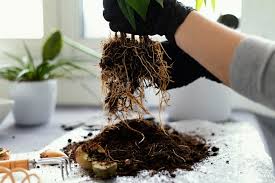
Plantburgh guide to Understanding and Preventing Plant Root Disease
Root rot is one of the most devastating yet preventable plant diseases that affects both novice and experienced gardeners. This silent killer works beneath the soil surface, often going unnoticed until significant damage has occurred. Understanding why root rot happens is crucial for maintaining healthy plants and creating thriving gardens, whether you're caring for houseplants, outdoor gardens, or commercial crops.
Table of Contents
What is Root Rot?
The Science Behind Root Rot Development
Primary Causes of Root Rot
Environmental Factors That Contribute to Root Rot
Types of Root Rot Pathogens
How to Identify Root Rot Early
Prevention Strategies
Treatment and Recovery
Plant-Specific Considerations
Long-term Garden Health Management
What is Root Rot?
Root rot is a plant disease characterized by the decay and death of plant roots, typically caused by fungal or bacterial pathogens that thrive in waterlogged, oxygen-poor soil conditions. The disease manifests as brown, mushy, or black roots that have lost their natural white or cream coloration and firm texture.
Healthy plant roots serve as the foundation of plant life, responsible for water absorption, nutrient uptake, and anchoring the plant in place. They also form crucial relationships with beneficial microorganisms that enhance plant health and disease resistance. When root rot occurs, these essential functions are compromised, leading to a cascade of problems that can ultimately kill the plant.
The disease typically begins in the root zone and progresses upward through the plant's vascular system. As infected roots lose their ability to transport water and nutrients, above-ground symptoms begin to appear, including yellowing leaves, wilting, stunted growth, and eventual plant death if left untreated.
Understanding root rot requires recognizing it as both a symptom and a cause. While the visible root decay is a symptom of pathogen infection, the rotted roots then become a source of continued infection that can spread to healthy roots and even neighboring plants.
The Science Behind Root Rot Development
Root rot development follows a predictable scientific process that involves complex interactions between plant physiology, soil conditions, and microbial activity. To understand why root rot happens, we must examine the cellular and biochemical processes involved.
Cellular Breakdown Process
Healthy plant roots are composed of living cells surrounded by cell walls made primarily of cellulose, hemicellulose, and lignin. These structures provide strength and protect the internal cellular contents. Root rot pathogens produce enzymes called cellulases and pectinases that break down these cell wall components, causing the structural integrity of root tissue to collapse.
As cell walls deteriorate, the cellular contents leak out, creating a nutrient-rich environment that further supports pathogen growth. The breakdown products also attract additional opportunistic pathogens, accelerating the decay process. This creates a positive feedback loop where initial infection leads to conditions that promote further infection.
Oxygen Depletion and Anaerobic Conditions
Plant roots require oxygen for cellular respiration, just like other living organisms. In well-draining soil, oxygen moves freely through air spaces between soil particles, allowing roots to breathe. However, when soil becomes waterlogged, these air spaces fill with water, creating anaerobic (oxygen-poor) conditions.
Without adequate oxygen, root cells cannot perform normal metabolic functions and begin to die. Dead and dying root tissue becomes an ideal substrate for pathogenic organisms that thrive in low-oxygen environments. Many root rot pathogens are specifically adapted to anaerobic conditions and actually benefit from the lack of oxygen that kills plant roots.
pH and Chemical Changes
Waterlogged soils often experience chemical changes that make root rot more likely. Anaerobic conditions can lead to the production of toxic compounds like hydrogen sulfide and organic acids. These chemicals can directly damage root tissue and create an environment that favors pathogenic organisms over beneficial ones.
Additionally, waterlogged soils often become more acidic over time, which can stress plants and make them more susceptible to disease. The altered pH also affects nutrient availability, further compromising plant health and disease resistance.
Microbial Ecosystem Disruption
Healthy soil contains a complex ecosystem of microorganisms, including beneficial bacteria and fungi that protect plants from disease. These beneficial microbes compete with pathogens for space and nutrients, and some even produce natural antibiotics that suppress disease-causing organisms.
Waterlogged conditions disrupt this delicate microbial balance by favoring anaerobic pathogens over beneficial aerobic microorganisms. As beneficial microbes die off or become less active, pathogenic organisms face less competition and can multiply rapidly. This shift in microbial populations is often the tipping point that allows root rot to establish and spread.
Primary Causes of Root Rot
Understanding the primary causes of root rot is essential for prevention and treatment. While multiple factors can contribute to root rot development, certain conditions consistently create the perfect storm for this devastating disease.
Overwatering: The Leading Cause
Overwatering is by far the most common cause of root rot in both indoor and outdoor plants. Many well-intentioned gardeners believe that more water equals healthier plants, but this misconception often leads to plant death.
When soil is kept constantly moist or waterlogged, several problems occur simultaneously:
Oxygen exclusion: Water displaces air in soil pores, creating the anaerobic conditions that kill plant roots and favor pathogenic organisms.
Reduced root activity: Even before roots die, waterlogged conditions reduce their ability to absorb nutrients and water efficiently, creating stress that makes plants more susceptible to disease.
Temperature regulation issues: Waterlogged soil often maintains cooler temperatures that favor certain pathogenic fungi while stressing warm-weather plants.
Salt accumulation: In containers, overwatering can prevent proper drainage and lead to salt buildup from fertilizers, further stressing plants.
Poor Drainage Systems
Inadequate drainage is closely related to overwatering but represents a structural problem rather than a behavioral one. Poor drainage can result from:
Heavy clay soils: Clay particles are much smaller than sand particles and pack tightly together, leaving little space for air and water movement. In clay soils, water may remain stagnant for days or weeks, creating ideal conditions for root rot.
Compacted soil: Heavy foot traffic, machinery use, or natural settling can compress soil particles, reducing pore space and inhibiting drainage. Compacted soils also restrict root growth and reduce oxygen availability.
Improper container drainage: Indoor plants in containers without adequate drainage holes or with blocked drainage systems are particularly vulnerable to root rot. Even outdoor containers must have sufficient drainage to prevent water accumulation.
Landscape design issues: Poor grading, inadequate slope, or improper installation of drainage systems can cause water to pool around plant roots. Low-lying areas in landscapes are particularly prone to drainage problems.
Contaminated Soil and Growing Media
Soil contamination with root rot pathogens can initiate disease even under otherwise favorable conditions. Contamination sources include:
Previously infected plants: Soil that has housed plants with root rot often harbors dormant pathogen spores that can persist for months or years. These pathogens become active when conditions are favorable.
Contaminated tools: Garden tools, containers, and equipment that haven't been properly sanitized can transfer pathogens between plants and growing areas.
Poor-quality growing media: Some commercial potting mixes or composts may contain pathogenic organisms if they weren't properly processed or stored under sanitary conditions.
Cross-contamination: Moving soil, mulch, or plants from infected areas can introduce pathogens to previously healthy growing environments.
Environmental Stress Factors
Plants under stress are significantly more susceptible to root rot and other diseases. Stress factors that predispose plants to root rot include:
Temperature extremes: Both excessively hot and cold temperatures stress plants and compromise their immune systems. Cold, wet conditions are particularly conducive to many root rot pathogens.
Light stress: Insufficient light weakens plants and reduces their ability to process water efficiently, leading to increased susceptibility to root rot. Conversely, some plants may be stressed by excessive light.
Nutrient imbalances: Both deficiencies and excesses of nutrients can stress plants. Nitrogen excess, in particular, can promote soft, succulent growth that is more susceptible to disease.
Chemical stress: Exposure to pesticides, herbicides, salt, or other chemicals can weaken plant defenses and increase disease susceptibility.
Environmental Factors That Contribute to Root Rot
Environmental conditions play a crucial role in root rot development by influencing both pathogen activity and plant susceptibility. Understanding these factors helps gardeners create conditions that discourage disease development.
Temperature and Seasonal Patterns
Temperature affects root rot in multiple ways:
Pathogen activity: Different root rot pathogens have optimal temperature ranges for growth and reproduction. Many common root rot fungi, such as Phytophthora and Pythium species, are most active in cool, wet conditions typically found in spring and fall.
Plant metabolism: Cool temperatures reduce plant metabolic activity, including root function and immune responses. Plants process water more slowly in cool conditions, making them more likely to develop waterlogged root zones.
Soil temperature: Soil temperature often lags behind air temperature, meaning that root zones may remain cool even when air temperatures warm up. This can create a mismatch between plant needs and root function.
Seasonal water patterns: Spring snowmelt, autumn rains, and winter freeze-thaw cycles can all create conditions conducive to root rot development.
Humidity and Air Circulation
While root rot primarily affects below-ground plant parts, air circulation and humidity around plants influence disease development:
Soil moisture evaporation: Good air circulation helps remove excess moisture from soil surfaces, promoting better soil aeration and reducing surface humidity that can harbor pathogens.
Transpiration rates: Plants in humid, stagnant air conditions transpire less water, reducing their water uptake and potentially leading to waterlogged root zones.
Pathogen dispersal: Some root rot pathogens produce spores that disperse through splashing water or air movement. Understanding these patterns helps in prevention strategies.
Soil Chemistry and pH
Soil chemical properties significantly influence root rot susceptibility:
pH effects on pathogens: Most root rot pathogens prefer slightly acidic to neutral soil conditions (pH 5.5-7.0). Extremely acidic or alkaline soils may actually suppress some pathogens but can stress plants in other ways.
Nutrient availability: Soil pH affects the availability of nutrients to plants. Iron deficiency in alkaline soils, for example, can weaken plants and increase disease susceptibility.
Microbial activity: Soil pH influences the activity and population balance of beneficial versus pathogenic microorganisms. Slightly acidic soils often support diverse, beneficial microbial communities.
Chemical interactions: Certain soil chemicals can interact with root exudates to either promote or inhibit pathogen activity.
Water Quality and Source
The quality and source of irrigation water can influence root rot development:
Pathogen contamination: Surface water sources like ponds, streams, or rainwater collection systems may contain root rot pathogens. Well water is generally safer but should be tested if problems persist.
Chemical content: Water high in salts, chlorine, or other chemicals can stress plants and disrupt beneficial soil microorganisms.
Temperature: Very cold or hot water can shock plant roots and create stress that predisposes them to disease.
pH and alkalinity: Water pH can gradually alter soil pH over time, potentially creating conditions more favorable to pathogens.
Types of Root Rot Pathogens
Root rot is caused by various pathogenic organisms, each with specific characteristics, preferred conditions, and host preferences. Understanding these different pathogens helps in accurate diagnosis and targeted treatment.
Fungal Pathogens
Fungi are the most common cause of root rot in most environments. Key fungal pathogens include:
Phytophthora species: Often called "water molds," these organisms technically aren't true fungi but oomycetes. They thrive in waterlogged conditions and can cause devastating root rot in many plant species. Phytophthora is particularly problematic for woody plants, including trees and shrubs.
Characteristics: Produces swimming spores (zoospores) that move through water-filled soil pores. Can survive in soil for extended periods and is activated by wet conditions.
Host range: Extremely broad, affecting hundreds of plant species including avocados, citrus, conifers, and many ornamental plants.
Environmental preferences: Cool to moderate temperatures (60-75°F) with consistently moist to waterlogged soil conditions.
Pythium species: Another group of oomycetes that primarily affect young plants and seedlings, causing "damping off" disease. Also common in hydroponic systems and greenhouse environments.
Characteristics: Produces both asexual and sexual spores. Can grow rapidly under favorable conditions and spread quickly through irrigation water or contaminated tools.
Host range: Affects most plant species but is particularly devastating to seedlings and young plants.
Environmental preferences: Warm, wet conditions with temperatures between 68-86°F.
Rhizoctonia solani: A true fungus that causes both root rot and stem rot in many crops and ornamental plants. Particularly problematic in organic-rich soils.
Characteristics: Produces persistent survival structures called sclerotia that can survive in soil for years. Spreads through direct contact with infected plant material or contaminated soil.
Host range: Very broad host range including vegetables, ornamentals, and field crops.
Environmental preferences: Warm, moist conditions with temperatures between 77-95°F.
Fusarium species: A large group of fungi that cause root rot, vascular wilt, and other plant diseases. Some species are soil-dwelling while others are primarily seed-borne.
Characteristics: Can produce several types of spores and survive as dormant chlamydospores in soil. Some species produce toxins that further damage plants.
Host range: Different species specialize in different host plants, but the genus affects nearly all plant types.
Environmental preferences: Varies by species, but generally prefers warm conditions with moderate moisture.
Armillaria species: Often called "honey mushrooms," these fungi primarily affect woody plants and can cause both root rot and butt rot in trees.
Characteristics: Produces visible mushrooms under favorable conditions. Spreads through underground root-like structures called rhizomorphs.
Host range: Primarily woody plants including trees and shrubs.
Environmental preferences: Cool, moist conditions. Can persist in soil for decades.
Bacterial Pathogens
While less common than fungal root rot, bacterial pathogens can cause significant problems in certain environments:
Erwinia species: Causes soft rot in many plants, particularly those with fleshy roots or storage organs.
Ralstonia solanacearum: Causes bacterial wilt and root rot in solanaceous crops and other plants.
Xanthomonas species: Some species cause root and stem rot in various plant species.
Bacterial root rot typically develops more rapidly than fungal infections and often produces distinctive foul odors due to tissue decomposition.
Environmental Factors Affecting Pathogen Activity
Different pathogens are favored by different environmental conditions:
Temperature preferences: Cool-season pathogens (Phytophthora, some Pythium species) are most active in spring and fall, while warm-season pathogens (Rhizoctonia, other Pythium species) peak during summer months.
Moisture requirements: All root rot pathogens require moisture, but the amount and duration vary. Some can cause disease with brief periods of soil saturation, while others need prolonged wet conditions.
Host specificity: While many root rot pathogens have broad host ranges, some are highly specific. Understanding host preferences helps in risk assessment and prevention planning.
Survival strategies: Pathogens use various strategies to survive unfavorable conditions, including spore production, survival structures, and dormancy. This affects how long soil remains contaminated after infection.
How to Identify Root Rot Early
Early detection of root rot is crucial for successful treatment and prevention of spread to other plants. Root rot symptoms develop both above and below ground, with below-ground symptoms typically appearing first.
Above-Ground Symptoms
While root rot begins in the soil, above-ground symptoms eventually appear as the disease progresses:
Leaf yellowing and wilting: Often the first visible symptom, starting with lower leaves. Unlike nutrient deficiency yellowing, root rot yellowing typically affects leaves randomly rather than following specific patterns.
Stunted growth: Plants with root rot cannot absorb nutrients and water efficiently, leading to reduced growth rates and smaller overall size.
Leaf drop: As the disease progresses, affected leaves may drop prematurely, often while still partially green.
Stem discoloration: In advanced cases, stems near the soil line may show brown or black discoloration, indicating that the infection has moved into above-ground tissues.
Reduced flowering or fruiting: Plants divert energy toward survival rather than reproduction, resulting in fewer flowers or fruits.
General decline: Plants may appear unhealthy or "off" even when specific symptoms aren't yet apparent.
Increased susceptibility to pests: Stressed plants attract more insect pests and may be more susceptible to other diseases.
Below-Ground Symptoms
Examining plant roots provides the most definitive diagnosis of root rot:
Root discoloration: Healthy roots are typically white, cream, or light brown. Rotted roots appear brown, black, or gray.
Soft, mushy texture: Diseased roots lose their firm texture and become soft or mushy. Severely affected roots may fall apart when touched.
Reduced root mass: Plants with root rot often have significantly fewer roots than healthy plants of the same size and age.
Foul odor: Bacterial root rot, in particular, often produces a distinct foul smell due to tissue decomposition.
Sloughing bark: In woody plants, the outer root bark may slip off easily, revealing darkened inner tissues.
Absence of fine feeder roots: The small, hair-like roots responsible for most water and nutrient absorption are often the first to die.
Diagnostic Techniques
Several methods can help confirm root rot diagnosis:
Visual inspection: Carefully remove plants from soil or dig around roots to examine them directly. Compare suspect roots to known healthy roots from the same or similar plant species.
The "squeeze test": Gently squeeze suspect roots between your fingers. Healthy roots maintain their shape, while rotted roots will compress and may release liquid or fall apart.
Microscopic examination: For definitive pathogen identification, root samples can be examined under a microscope or sent to plant diagnostic laboratories.
Soil testing: Some laboratories can test soil samples for the presence of specific root rot pathogens.
Environmental assessment: Consider recent weather patterns, irrigation practices, and soil conditions that might predispose plants to root rot.
Distinguishing Root Rot from Other Problems
Several other plant problems can mimic root rot symptoms:
Drought stress: Can cause wilting and yellowing similar to root rot but roots remain firm and white. Soil will be dry rather than wet.
Nutrient deficiencies: Often cause specific patterns of leaf yellowing that differ from the random yellowing pattern of root rot.
Stem diseases: May cause similar above-ground symptoms but typically show distinct stem lesions rather than root decay.
Transplant shock: Can cause temporary wilting and leaf drop but roots remain healthy and plants typically recover within a few weeks.
Pest damage: Root-feeding insects or nematodes can damage roots, but the damage pattern differs from disease symptoms.
Timing of Symptom Development
Understanding the timeline of symptom development helps with early detection:
Initial infection: May be present for days or weeks before any symptoms appear above ground.
Early symptoms: Slight reduction in growth rate, subtle leaf color changes, or minor wilting during hot periods.
Progressive symptoms: More obvious wilting, yellowing, and growth reduction become apparent.
Advanced symptoms: Severe wilting, extensive leaf drop, and obvious plant decline indicate advanced disease.
Terminal phase: Plant death occurs as the root system becomes too damaged to support the above-ground portions.
Prevention Strategies
Prevention is far more effective and economical than treating established root rot infections. A comprehensive prevention strategy addresses all the factors that contribute to root rot development.
Proper Watering Practices
Developing appropriate watering practices is the foundation of root rot prevention:
Water deeply but infrequently: This practice encourages deep root growth and allows soil to dry between waterings, preventing the constantly moist conditions that favor root rot pathogens.
Check soil moisture before watering: Use your finger, a moisture meter, or visual cues to assess soil moisture. Water only when the top inch or two of soil has dried out for most plants.
Time watering appropriately: Water early in the day when possible, allowing excess moisture to evaporate before evening. Avoid watering in the evening, especially during cool weather.
Use proper watering techniques: Water at the base of plants rather than overhead when possible. Overhead watering can splash pathogens from soil to healthy plant parts and creates humid conditions that favor disease development.
Adjust watering for seasons: Reduce watering frequency during cooler months when plant water needs are lower and evaporation is slower.
Consider plant-specific needs: Different plants have varying water requirements. Group plants with similar needs together and adjust watering accordingly.
Soil Management and Drainage Improvement
Creating well-draining soil conditions is essential for root rot prevention:
Amend heavy soils: Add organic matter like compost, aged bark, or perlite to clay soils to improve drainage and aeration. The goal is to create soil that drains well while still retaining adequate moisture for plant growth.
Install drainage systems: In chronically wet areas, consider installing French drains, drainage tiles, or raised beds to redirect excess water away from plant roots.
Improve soil structure: Avoid compacting soil by limiting foot traffic and machinery use, especially when soil is wet. Use walkways and designated work areas to protect growing areas.
Test and adjust soil pH: Maintain soil pH in the optimal range for your plants (typically 6.0-7.0 for most species). Proper pH supports beneficial microbial activity and nutrient availability.
Use raised beds or containers: In areas with persistent drainage problems, raised beds or containers provide better control over growing conditions.
Mulch appropriately: Use organic mulches to regulate soil moisture and temperature, but avoid piling mulch directly against plant stems where it can harbor pathogens.
Plant Selection and Placement
Choosing appropriate plants and placement can significantly reduce root rot risk:
Select resistant varieties: When available, choose plant varieties with known resistance to root rot pathogens common in your area.
Match plants to sites: Place plants with high water needs in naturally moist areas and drought-tolerant plants in well-draining locations.
Consider mature size: Proper spacing prevents overcrowding, which can reduce air circulation and create humid conditions that favor disease development.
Avoid problematic locations: Don't plant susceptible species in areas with known drainage problems, previous disease history, or other risk factors.
Use companion planting: Some plants can help improve soil drainage or support beneficial microbial populations that suppress pathogens.
Sanitation Practices
Good sanitation prevents pathogen introduction and spread:
Clean tools regularly: Disinfect pruning tools, shovels, and other equipment between plants, especially when working with known infected material. Use 70% alcohol or 10% bleach solutions for disinfection.
Use fresh, quality growing media: Purchase potting mixes and soil amendments from reputable suppliers. Avoid reusing soil from infected plants unless it has been properly sterilized.
Remove infected plant material: Promptly remove and properly dispose of plants showing root rot symptoms. Do not compost infected material unless your compost system reaches temperatures sufficient to kill pathogens (160°F for several days).
Quarantine new plants: Isolate new plants for several weeks to monitor for disease symptoms before introducing them to your main growing areas.
Maintain clean growing environments: Keep greenhouse benches, containers, and work areas clean and free of plant debris that could harbor pathogens.
Cultural Practices
Various cultural practices can create conditions unfavorable to root rot development:
Promote air circulation: Ensure adequate spacing between plants and prune to improve air movement through plant canopies. This helps reduce humidity and speeds soil drying.
Avoid over-fertilization: Excessive nitrogen fertilization can promote soft, succulent growth that is more susceptible to disease. Follow recommended fertilization rates and schedules.
Time planting appropriately: Plant when weather conditions favor rapid establishment rather than during periods of high disease pressure.
Rotate crops: In vegetable gardens, rotate plant families to break disease cycles and reduce pathogen buildup in soil.
Manage organic matter: While organic matter improves soil structure, excessive amounts of fresh organic matter can sometimes promote pathogen activity. Use well-composted organic materials and apply them appropriately.
Monitor and maintain: Regular inspection of plants allows for early detection and intervention before problems become severe.
Environmental Modifications
Modifying environmental conditions can create less favorable conditions for pathogen development:
Improve drainage: Grade sites to promote water runoff away from plant roots. Install gutters and downspouts to direct roof water away from planted areas.
Increase soil temperature: In cool climates, use techniques like plastic mulches, row covers, or raised beds to warm soil and create less favorable conditions for cool-weather pathogens.
Manage shade: While some plants require shade, excessive shade can create cool, humid conditions that favor root rot development. Prune trees or relocate plants as needed to optimize light conditions.
Control weeds: Weeds can harbor pathogens and compete with desirable plants for resources, making them more susceptible to stress and disease.
Treatment and Recovery
When root rot is identified early, several treatment strategies can help save affected plants and prevent spread to healthy plants. Treatment success depends on the extent of infection, the specific pathogen involved, environmental conditions, and the plant's overall health.
Immediate Response Actions
Quick action is essential when root rot is discovered:
Isolate affected plants: Immediately separate infected plants from healthy ones to prevent pathogen spread. This is particularly important in greenhouse or indoor settings where plants are in close proximity.
Stop watering: Cease all watering of affected plants until the situation is assessed and treatment begins. Additional moisture will only worsen the problem.
Improve air circulation: Increase ventilation around affected plants to help dry the soil and reduce humidity that favors pathogen development.
Document the situation: Record symptoms, affected plants, and environmental conditions. This information helps with diagnosis and treatment planning.
Root System Rehabilitation
For plants with limited root rot infection, surgical intervention may be successful:
Careful excavation: Gently remove the plant from soil, taking care to preserve as many healthy roots as possible. Use tools that have been disinfected to prevent spreading pathogens.
Root inspection and cleaning: Remove all soil from the root system using gentle water pressure or soft brushes. This allows complete assessment of root health and removes pathogen-contaminated soil.
Surgical removal: Using sterilized tools, cut away all brown, black, or mushy roots. Cut back to healthy, white root tissue, even if this means removing a significant portion of the root system.
Root treatment: Treat cut surfaces and remaining roots with fungicide solutions or biological control agents designed for root rot pathogens. Follow label instructions carefully for application rates and timing.
Drying period: Allow treated roots to air dry for several hours before replanting. This helps healing and reduces moisture that could promote reinfection.
Replanting Procedures
Proper replanting techniques are crucial for recovery success:
New growing medium: Never replant in the original soil, which likely contains pathogens. Use fresh, sterile potting mix or well-draining garden soil amended with organic matter.
Container sterilization: If replanting in containers, thoroughly clean and disinfect all pots and tools with bleach solution or other disinfectants.
Appropriate sizing: Use containers that provide adequate drainage and are appropriately sized for the reduced root system. Oversized containers can hold too much moisture for compromised root systems.
Proper planting depth: Plant at the same depth as before, ensuring good soil contact with roots without compacting the growing medium.
Initial care: Provide bright, indirect light and maintain moderate moisture levels. Avoid fertilizing until new root growth is evident.
Chemical Treatments
Several chemical options can help control root rot pathogens:
Preventive fungicides: Fungicides containing active ingredients like metalaxyl, fosetyl-Al, or propamocarb can be effective against oomycete pathogens like Phytophthora and Pythium.
Biological control agents: Products containing beneficial microorganisms like Trichoderma species, Bacillus species, or mycorrhizal fungi can help suppress pathogens and promote root health.
Systemic treatments: Some fungicides can be applied as soil drenches or through irrigation systems to provide systemic protection against root rot pathogens.
Application timing: Chemical treatments are most effective when applied preventively or at the very early stages of infection. Advanced infections rarely respond well to chemical control alone.
Resistance management: Rotate between different chemical classes to prevent pathogen resistance development. Never rely solely on chemical controls without addressing underlying environmental problems.
Recovery Monitoring and Support
Plants recovering from root rot require careful monitoring and specialized care:
Watering management: Use extreme caution with watering during recovery. Maintain slightly moist but never wet soil conditions. Water quality and timing become even more critical during recovery.
Light management: Provide bright but indirect light to support photosynthesis without causing additional stress. Avoid sudden changes in light conditions that could shock recovering plants.
Temperature control: Maintain moderate, stable temperatures to support healing and new root development. Avoid temperature extremes that could stress recovering plants.
Nutrition management: Avoid fertilizing until new root growth is evident, then use dilute fertilizer solutions to avoid burning damaged roots. Focus on root development rather than top growth during early recovery.
Pest monitoring: Plants under stress from root rot are more susceptible to insect pests and other diseases. Monitor closely and address any secondary problems promptly.
Progress assessment: Regularly check for new root development and improvement in above-ground symptoms. Recovery may take several months for severely affected plants.
When Treatment Isn't Successful
Not all plants with root rot can be saved, and recognizing when treatment isn't working prevents wasted effort and reduces pathogen spread:
Severity assessment: Plants with more than 75% root loss rarely recover successfully. Consider the cost-benefit of treatment attempts versus replacement.
Repeated infections: Plants that develop root rot repeatedly despite treatment and improved care may be too compromised to recover or may be inherently susceptible.
Pathogen type: Some root rot pathogens are more aggressive and harder to control than others. Research the specific pathogen involved when making treatment decisions.
Environmental limitations: If underlying environmental problems cannot be corrected, treatment success is unlikely. Address drainage, soil, and other environmental issues before attempting plant recovery.
Economic considerations: For valuable specimen plants, extensive treatment efforts may be warranted. For common plants or in commercial settings, replacement may be more economical.
Disposal of Infected Material
Proper disposal of infected plants and soil prevents pathogen spread:
Bag and remove: Place all infected plant material in plastic bags and remove from the growing area immediately. Do not compost infected material in home compost systems.
Soil disposal: Contaminated soil should be disposed of in municipal waste systems or treated to kill pathogens before reuse. Solar sterilization or chemical sterilization can render soil safe for reuse.
Tool cleaning: Thoroughly clean and disinfect all tools, containers, and equipment that contacted infected material before using them again.
Area treatment: Consider treating the growing area where infected plants were located with fungicides or beneficial microorganisms to reduce residual pathogen populations.
Plant-Specific Considerations
Different plant types have varying susceptibilities to root rot and may require specialized prevention and treatment approaches. Understanding these differences helps gardeners tailor their care practices for optimal plant health.
Houseplants and Container Plants
Container-grown plants face unique challenges that make them particularly susceptible to root rot:
Container factors: The restricted root zone in containers means that excess water has nowhere to go, creating perfect conditions for root rot development. Container size, drainage hole adequacy, and growing medium choice all critically affect root health.
Popular susceptible species: Many common houseplants are particularly prone to root rot, including pothos, peace lilies, rubber trees, fiddle leaf figs, and most succulents. These plants often suffer from well-meaning but excessive watering.
Prevention strategies: Use containers with multiple drainage holes and well-draining potting mixes. Avoid saucers that hold standing water, or empty them within an hour of watering. Consider using moisture meters to monitor soil wetness accurately.
Treatment adaptations: Container plants are easier to treat because they can be completely removed from their growing medium for root inspection and treatment. However, they also decline more rapidly due to their restricted root zones.
Outdoor Trees and Shrubs
Woody plants present different challenges and opportunities for root rot management:
Pathogen specificity: Trees and shrubs are often affected by different root rot pathogens than herbaceous plants, including Armillaria, Phytophthora, and specialized fungal pathogens that can persist in soil for decades.
Prevention focus: For established woody plants, prevention is especially critical because treatment options are limited and tree removal can be extremely expensive. Focus on proper site selection, drainage improvement, and appropriate irrigation practices.
Landscape considerations: Trees and shrubs are often part of complex landscape systems where individual plant care is challenging. Design landscapes to promote good drainage and avoid creating microclimates that favor root rot development.
Treatment limitations: Large woody plants cannot be easily removed and replanted, so treatment options focus on improving growing conditions, chemical treatments, and supporting overall tree health to help them resist and recover from infection.
Vegetable Gardens
Vegetable crops have unique considerations for root rot management:
Crop rotation: Many vegetables are susceptible to specific root rot pathogens, making crop rotation an essential prevention strategy. Rotate between plant families rather than species to break disease cycles effectively.
Seasonal timing: Vegetables are often grown during specific seasons, and timing plantings to avoid high disease pressure periods can be an effective prevention strategy.
Economic impact: Root rot in vegetable crops directly affects food production and can have significant economic impacts in commercial operations.
Treatment approaches: For annual vegetables, removal and replanting is often more practical than attempting to treat infected plants. Focus on soil improvement and pathogen reduction for future plantings.
Hydroponic and Soilless Systems
Hydroponic systems present unique challenges and opportunities for root rot management:
Pathogen spread: In recirculating hydroponic systems, root rot pathogens can spread rapidly through the entire system via the nutrient solution.
Environmental control: Hydroponic systems offer precise control over nutrition, pH, and other factors that affect plant health and disease susceptibility.
Prevention strategies: Use sterile growing media and maintain proper solution temperature, pH, and dissolved oxygen levels. Consider UV sterilization or other water treatment methods to prevent pathogen establishment.
Treatment options: Hydroponic systems allow for easy application of biological control agents and chemical treatments through the irrigation system. However, treatment must be balanced against effects on plant nutrition and system biology.
Greenhouse and Protected Culture
Protected growing environments have both advantages and challenges for root rot management:
Environmental control: Greenhouses allow precise control over temperature, humidity, air circulation, and watering, which can be used to create conditions unfavorable to root rot development.
Disease pressure: The warm, humid conditions often maintained in greenhouses can favor root rot pathogen development if not properly managed.
Prevention emphasis: In greenhouse operations, prevention is especially important because disease problems can spread rapidly in the controlled environment and crop losses can be devastating.
Integrated management: Successful greenhouse root rot management typically involves integrated approaches combining environmental controls, cultural practices, biological controls, and judicious use of chemical treatments.
Specialty Crops and Ornamentals
Some plant types require specialized approaches to root rot management:
Orchids: These epiphytic plants require extremely well-draining growing media and are particularly sensitive to overwatering. Use specialized orchid mixes and monitor carefully for root health.
Succulents and cacti: These drought-adapted plants are extremely susceptible to root rot and require minimal watering and exceptionally well-draining growing media.
Aquatic plants: Plants grown in water features or boggy conditions require different management approaches, focusing on water quality and circulation rather than drainage.
Native plants: Consider using native plant species that are adapted to local soil and climate conditions and may have natural resistance to local root rot pathogens.
Age and Development Considerations
Plant age and development stage affect root rot susceptibility:
Seedlings and young plants: These are often most susceptible to root rot due to their limited root systems and reduced ability to recover from root damage.
Established mature plants: While they may be more resistant to initial infection, mature plants with extensive root rot may be harder to treat successfully due to their size and established root systems.
Stressed plants: Plants under any kind of stress (transplant shock, drought, pest damage) are more susceptible to root rot regardless of age or species.
Long-term Garden Health Management
Creating a sustainable approach to root rot prevention requires thinking beyond individual plants to consider entire garden ecosystems. Long-term management strategies focus on building soil health, supporting beneficial microorganisms, and creating resilient growing environments that naturally suppress disease development.
Soil Health and Microbiome Management
Healthy soil contains complex communities of beneficial microorganisms that naturally suppress root rot pathogens through competition, antibiosis, and other mechanisms:
Building soil organic matter: Gradually increase soil organic matter through regular additions of compost, aged manure, and other organic amendments. Organic matter improves soil structure, water retention, and provides food for beneficial microorganisms.
Supporting microbial diversity: Avoid practices that harm beneficial soil microorganisms, such as unnecessary tilling, excessive chemical inputs, or allowing soil to dry completely or become waterlogged. Diverse microbial communities are more stable and effective at pathogen suppression.
Mycorrhizal relationships: Encourage the development of mycorrhizal fungi, which form beneficial relationships with plant roots and can help protect against pathogenic organisms. Many plants benefit from inoculation with appropriate mycorrhizal species.
Compost tea and biological amendments: Regular applications of compost tea or commercial biological amendments can help maintain beneficial microbial populations and suppress pathogens.
pH management: Maintain appropriate soil pH for your plants and beneficial microorganisms. Most beneficial microbes thrive in slightly acidic to neutral soil conditions (pH 6.0-7.0).
Water Management Systems
Developing sustainable water management practices prevents many root rot problems:
Irrigation system design: Install irrigation systems that deliver water efficiently to plant roots without creating waterlogged conditions. Drip irrigation is often ideal for root rot prevention.
Water scheduling: Develop watering schedules based on plant needs, weather conditions, and soil moisture monitoring rather than arbitrary timing. Adjust schedules seasonally and as plants mature.
Rainwater management: Design landscapes to manage natural rainfall effectively, directing excess water away from sensitive plants while capturing and using water efficiently during dry periods.
Mulching strategies: Use organic mulches to regulate soil moisture, but apply them properly to avoid creating conditions that favor pathogen development.
Monitoring and adjustment: Regularly assess the effectiveness of water management practices and adjust them based on plant performance and environmental conditions.
Integrated Disease Management
Effective long-term root rot management integrates multiple approaches:
Monitoring programs: Establish regular monitoring routines to detect problems early when they're easier to manage. Keep records of plant health, weather conditions, and management practices.
Resistance breeding and selection: When possible, select plant varieties with known resistance to root rot pathogens common in your area. Support breeding programs that develop resistant varieties.
Biological control integration: Incorporate beneficial microorganisms into regular plant care routines rather than using them only as reactive treatments.
Cultural practice optimization: Continuously refine cultural practices based on experience and new research. What works in one year or location may need adjustment as conditions change.
Chemical use strategy: Develop strategies for chemical use that minimize environmental impact while maintaining effectiveness. Use chemicals as part of integrated programs rather than standalone solutions.
Climate Change Adaptation
Changing climate patterns affect root rot development and require adaptive management strategies:
Precipitation pattern changes: Many regions are experiencing more intense rainfall events followed by longer dry periods. These patterns can stress plants and create conditions favorable to root rot development.
Temperature shifts: Changing temperature patterns affect both plant physiology and pathogen activity. Monitor how these changes affect disease pressure in your area.
Extreme weather events: Increased frequency of extreme weather events requires adaptive management strategies and emergency preparedness for plant protection.
Species selection: Consider how changing climate conditions might affect plant performance and disease susceptibility when making long-term planting decisions.
Education and Community Approaches
Root rot management benefits from community-wide approaches:
Information sharing: Share experiences and successful practices with other gardeners, extension services, and plant societies. Learn from others' successes and failures.
Coordinated management: In communities with shared green spaces or similar growing conditions, coordinated management approaches can be more effective than individual efforts.
Professional consultation: Develop relationships with plant pathologists, extension agents, and other professionals who can provide expert guidance for difficult problems.
Continuing education: Stay current with new research, products, and techniques for root rot management through workshops, publications, and online resources.
Record Keeping and Analysis
Systematic record keeping improves long-term management effectiveness:
Plant health records: Track plant health, disease occurrences, and treatment outcomes to identify patterns and successful approaches.
Environmental monitoring: Record weather conditions, soil moisture levels, and other environmental factors that might influence disease development.
Management practice documentation: Keep detailed records of watering schedules, fertilization programs, and other management practices to identify what works best in your specific situation.
Cost-benefit analysis: Track the costs and benefits of different management approaches to optimize resource allocation and improve decision-making.
Seasonal planning: Use historical records to plan management activities for optimal timing and effectiveness.
Future Planning and Adaptation
Successful long-term management requires ongoing planning and adaptation:
Infrastructure investment: Plan for long-term infrastructure improvements that support root rot prevention, such as drainage systems, irrigation upgrades, or soil improvements.
Plant replacement strategies: Develop plans for replacing plants that consistently struggle with root rot, focusing on more resistant species or improved growing conditions.
Technology integration: Stay informed about new technologies that might improve root rot management, such as soil moisture sensors, weather monitoring systems, or new treatment products.
Succession planning: For long-lived plants like trees, consider how current management decisions will affect future plant health and management needs.
Know You Know
Root rot represents one of the most preventable yet potentially devastating plant diseases affecting gardens, landscapes, and indoor plant collections. Understanding why root rot happens, from the cellular level processes that break down root tissue to the environmental conditions that favor pathogen development, provides the foundation for effective prevention and treatment strategies.
The key to successful root rot management lies in recognizing that this disease is fundamentally about creating and maintaining balance: the balance between plant water needs and pathogen prevention, between soil moisture and aeration, between beneficial and harmful microorganisms, and between reactive treatment and proactive prevention.
Prevention remains far more effective and economical than treatment, focusing on proper watering practices, soil drainage improvement, plant selection, and creating growing environments that naturally suppress disease development. When treatment becomes necessary, early detection and prompt action significantly improve success rates, though the most advanced infections may require plant removal and replacement.
Long-term success requires thinking beyond individual plants to consider entire growing systems, building soil health, supporting beneficial microbial communities, and adapting management practices to changing environmental conditions. By integrating multiple management approaches and maintaining detailed records of what works in specific situations, gardeners can develop increasingly effective strategies for preventing root rot and maintaining healthy plants.
The investment in understanding and preventing root rot pays dividends in healthier plants, reduced losses, lower replacement costs, and the satisfaction of successfully growing thriving plant collections. Whether managing a single houseplant or extensive commercial growing operations, the principles of root rot prevention and management provide a roadmap for sustainable plant health and gardening success.
Remember that plant health is an ongoing process rather than a destination, and root rot prevention is just one component of comprehensive plant care. By maintaining vigilance, continuing to learn and adapt, and applying science-based management practices, gardeners can minimize root rot problems and enjoy the rewards of healthy, thriving plants for years to come.
Follow Plantburgh for regular updates on plant health, growing techniques, and the latest in horticultural science. If you're struggling with a plant right now, don't hesitate to Contact Us for expert advice.
Plantburgh®
Rooted in the 412.
Contact
contact@plantburgh.com
(412) 576-7894
© 2026 Plantburgh LLC. All rights reserved.
Hours
By appointment
Location
Pittsburgh, PA
Who We Serve
