
Ultimate Guide to Pothos Care Tips & Tricks
Discover the ultimate guide to pothos care with essential tips and tricks. Learn how to keep your pothos healthy and thriving with our comprehensive guide from Plantburgh.
A Reihl
12/13/20259 min read


Introduction to Pothos
Pothos, scientifically known as Epipremnum aureum, is a popular choice among houseplant enthusiasts due to its remarkable adaptability and low maintenance requirements. Originating from the French Polynesian islands, this evergreen vine has gained a reputation for thriving in a variety of indoor environments, making it a favorite for both novice and experienced plant caretakers.
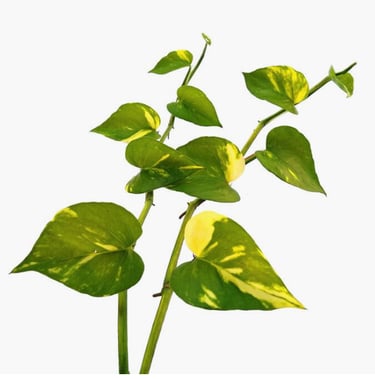
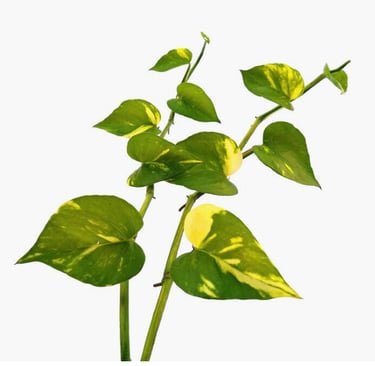
This remarkable plant is celebrated for its heart-shaped leaves, which can feature variegation ranging from bright green to shades of yellow or white, adding aesthetic appeal to any space. Its trailing vines can gracefully cascade from shelves or hang in planters, making it an attractive addition to home décor. Beyond its visual charm, the Pothos plant is also recognized for its air-purifying qualities, contributing to improved indoor air quality by filtering harmful toxins.
One of the reasons Pothos has become such a staple in households is its resilience. It can thrive in low light conditions, though it flourishes with indirect sunlight. Moreover, the Pothos plant is forgiving of neglect; it requires infrequent watering, allowing for a more relaxed care routine. This makes it especially appealing to individuals who may not have a green thumb or adequate time to dedicate to plant care.
In essence, Pothos provides a perfect blend of beauty and practicality, making it an exceptional choice for anyone looking to enhance their indoor space with greenery. As we delve deeper into the specifics of Pothos care, you will discover the tips and tricks to ensure your plant not only survives but thrives in your home environment.
Popular Varieties of Pothos
Pothos, scientifically known as Epipremnum aureum, is a highly sought-after houseplant, appreciated not only for its appealing aesthetics but also for its resiliency and ease of care. Among the extensive range of varieties available, three stand out due to their unique characteristics: Golden Pothos, Marble Queen, and Neon Pothos. Each variety showcases distinct visual traits, ensuring there is a perfect type for every plant enthusiast.
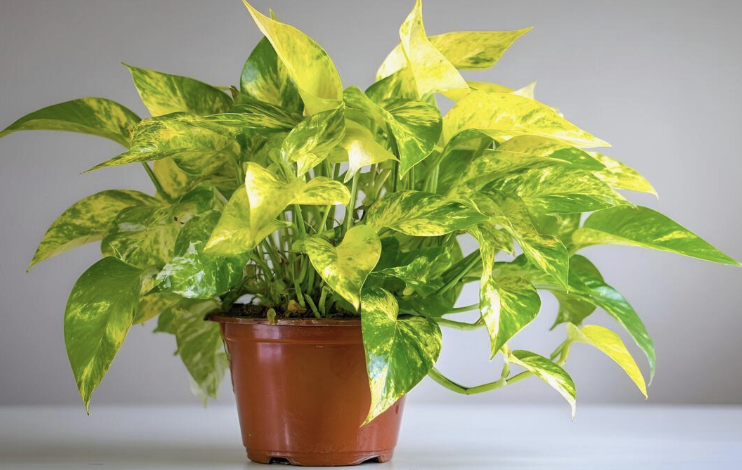
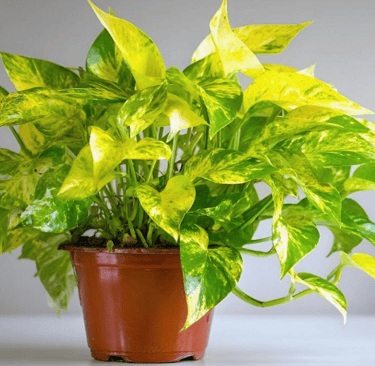
The Golden Pothos is renowned for its vibrant yellow and green variegated leaves. This particular variety thrives in a range of lighting conditions, making it an excellent choice for various indoor environments. Golden Pothos can grow quite long, often cascading beautifully from hanging baskets, thereby enhancing the decor of any space. Its care requirements are minimal, as it tolerates neglect and irregular watering, which adds to its appeal for busy individuals.
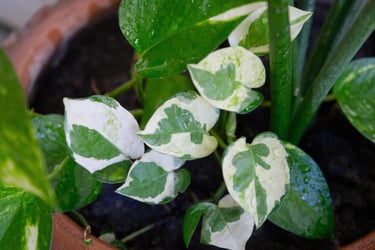
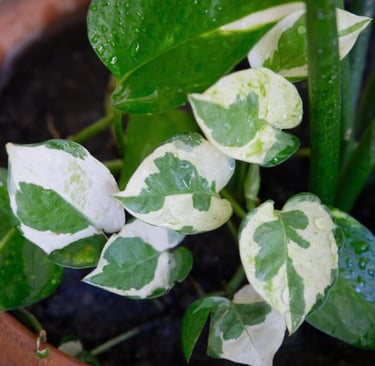
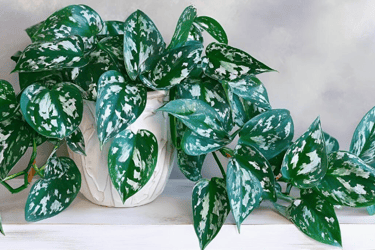
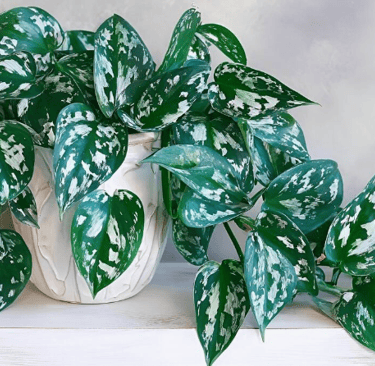
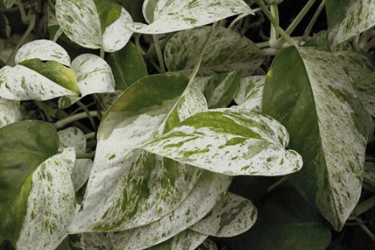
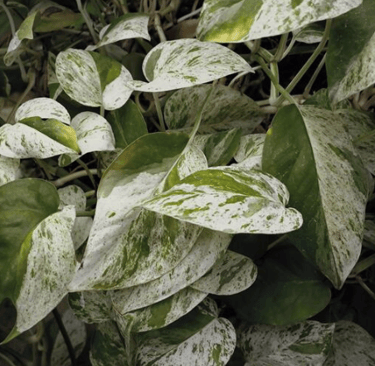
Next, the Marble Queen Pothos captivates with its striking white and green marbled leaves. This variety demands slightly more attention than the Golden version, preferring bright, indirect sunlight to maintain its distinctive coloration. Regularly pruning the Marble Queen encourages bushier growth while preventing any leggy appearances. With proper care, this variety can flourish and serve as an eye-catching centerpiece in home or office settings.
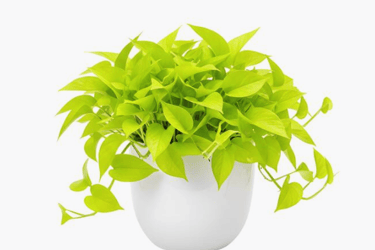
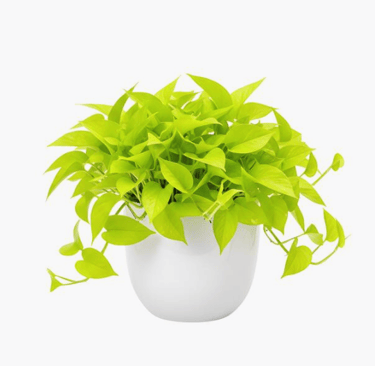
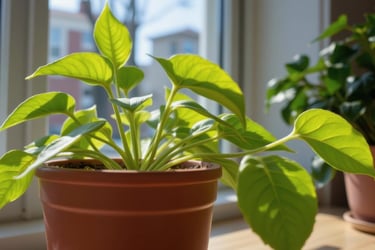
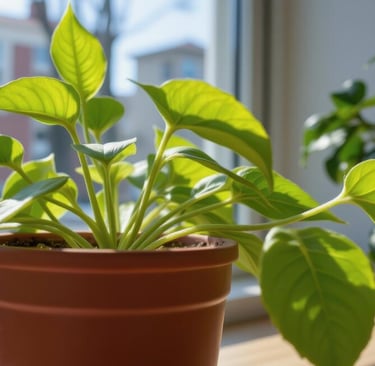
Lastly, the Neon Pothos offers a colorful aesthetic with its bright green, almost fluorescent leaves that glow under certain lighting. This variety is hardy and can adapt to lower light conditions, though it thrives best in indirect sunlight. The Neon Pothos can create a vivid contrast against darker surroundings, making it a popular choice for modern interiors. Regular watering, allowing the soil to dry out between sessions, is essential for maintaining its lush appearance.
Understanding the unique characteristics and care requirements of these popular Pothos varieties allows enthusiasts to make informed choices, ensuring that each plant can flourish beautifully in their designated environment.
Light Requirements for Pothos
Pothos, scientifically known as Epipremnum aureum, is renowned for its adaptability to various light conditions, making it a favored choice for both novice and seasoned plant enthusiasts. Understanding the light requirements is pivotal to ensuring the health and vibrancy of this resilient plant. Pothos generally thrives in bright, indirect light but can also tolerate lower light levels, making them suitable for diverse environments.
In optimal conditions, Pothos enjoys bright, indirect sunlight. This light type allows the leaves to receive adequate illumination without the risk of scorched leaves. A location near east or north-facing windows is typically ideal, as these windows provide soft, filtered light. The leaves bask in the brightness, promoting growth and the lush, trailing look that Pothos is celebrated for. However, one must take care to avoid direct sunlight, which can lead to leaf burn and damage.
Furthermore, Pothos can survive in lower light conditions, which is advantageous for rooms with limited natural light. While the growth may slow, this plant has an impressive ability to adapt to shade. For individuals concerned about placement, assessing light levels in a home can be accomplished using the shadow test. By observing how sharp or diffused shadows are throughout the day, one can gauge the light presence. Soft, diffused shadows typically indicate indirect light, whereas clear and defined shadows often suggest brighter light conditions.
In conclusion, understanding the light requirements for Pothos is crucial for successful cultivation. With the flexibility to thrive in bright, indirect light or lower light environments, this plant can flourish in a variety of settings, provided the owner keeps a watchful eye on their specific light conditions. Proper placement and regular monitoring can lead to a healthy and vibrant Pothos plant.
Watering Your Pothos: Best Practices
Watering is a fundamental aspect of Pothos care, as it directly impacts the plant’s health and growth. Pothos thrive in a well-draining potting mix and require a careful balance of moisture. Typically, it is advisable to water your Pothos when the top inch of soil feels dry to the touch. This approach helps prevent the common problems associated with both overwatering and underwatering.
Overwatering can lead to root rot, which is a prevalent issue among Pothos if the roots sit in waterlogged soil. Signs of overwatering include yellowing leaves, wilting, and a generally droopy appearance. If you notice these symptoms, it may be necessary to reduce your watering frequency and ensure the pot has adequate drainage. Conversely, underwatering can cause leaves to curl or turn brown at the tips. If you see these signs, consider adjusting your watering schedule to increase the frequency while monitoring the environment closely.
Creating a watering schedule is essential for maintaining the right moisture level. Typically, watering every one to two weeks can suffice, but this largely depends on environmental conditions such as humidity and temperature. During the warmer months or in high humidity, Pothos may require more frequent watering, while cooler conditions may lead to less frequent needs. Additionally, it is beneficial to use room temperature water, as cold water could shock the plant's roots.
It is important to allow the soil to dry out between waterings to promote healthy root growth and prevent the risk of overwatering. This cycle of drying and watering emulates the plant’s natural habitat, contributing to its overall vitality. By understanding and implementing these watering practices, you can ensure that your Pothos remains vibrant and healthy throughout the year.
Choosing the Best Soil for Pothos
When it comes to Pothos care, selecting the right soil is vital for promoting healthy growth and vibrant foliage. Pothos plants thrive in well-draining soil that ensures adequate aeration while retaining the necessary moisture. A suitable soil mix typically consists of a combination of potting soil, peat moss, and perlite or coarse sand, providing both structure and drainage.
The pH level of the soil is another crucial factor to consider. Pothos plants prefer a slightly acidic to neutral pH, ideally ranging from 6.0 to 7.0. Maintaining this pH balance can enhance nutrient absorption, contributing to the overall health of the plant. Testing your soil's pH periodically can help ensure that it remains within the optimal range.
In terms of nutrients, a well-balanced mixture will contain essential elements such as nitrogen, phosphorus, and potassium. These nutrients support healthy leaf development and root growth. Additionally, incorporating organic matter, like compost, can provide extra nourishment and improve soil structure. For those interested in creating a DIY soil mix, one effective recipe includes two parts potting soil, one part perlite, and one part peat moss. This blend offers a beautiful balance of drainage and water retention, ideal for Pothos care.
In conclusion, choosing the best soil for Pothos involves considering factors such as drainage, pH levels, and essential nutrients. By creating or selecting a suitable soil mix, you can ensure that your Pothos plants thrive, thereby enhancing their growth and beauty. Pay attention to your soil composition as it plays a pivotal role in the overall wellbeing of your Pothos.
Propagating Your Pothos: Step-by-Step Guide
Propagating Pothos is a rewarding endeavor that allows plant enthusiasts to expand their collection or share the beauty of this resilient plant. The methods of propagation primarily include water propagation and soil propagation, each having its own set of procedures and advantages.
To begin with, water propagation is one of the most popular techniques due to its simplicity and visibility of the root development process. Start by selecting a healthy stem with a few leaves attached. Ensuring the cutting is around four to six inches long is crucial for optimal growth. Using a sharp, clean pair of scissors or pruning shears, take a cutting just below a node, as roots will develop from this area. Place the cutting in a glass or jar filled with water, ensuring the node is submerged while the leaves remain above the water surface. Place the jar in a location that receives indirect sunlight. Change the water every week to maintain its freshness. Within two to four weeks, you should observe roots beginning to emerge.
On the other hand, soil propagation can be equally successful. For this method, prepare a small pot with a well-draining potting mix. Follow the same procedure for cutting a healthy stem. After preparing the cutting, dip the cut end in rooting hormone to encourage root growth, although this step is optional. Plant the cutting directly into the soil, ensuring the node is buried. Water the soil lightly to maintain moisture without making it soggy. Covering the pot with a clear plastic bag can help create a greenhouse effect, which promotes humidity and encourages healthy root development. This method may take a bit longer, generally around four to six weeks, but can result in stronger plants.
Regardless of the propagation method chosen, maintaining optimal conditions is key. Always monitor light exposure, humidity, and moisture while caring for your cuttings. Upon the formation of substantial roots, you can transfer your Pothos to a larger pot or its permanent location, allowing the plant to thrive further. By following these guidelines, propagating Pothos can transform into an enjoyable and fruitful experience.
Fun Facts and History of Pothos
Pothos, scientifically known as Epipremnum aureum, is a captivating houseplant that has garnered admiration for its trailing vines and lush green leaves. Originating from the Solomon Islands, this hardy plant was introduced to homes across the globe due to its low maintenance and resilient nature. The name "Pothos" is derived from the Greek word for "to seek," which is fitting, as the plant appears to reach out with its vines, seeking both sunlight and space to grow.
Throughout history, Pothos has held cultural significance in various regions. In Southeast Asia, it is often regarded as a symbol of prosperity and wealth. Many households display this elegant plant, believing that it attracts good fortune and positive energy. Additionally, in places like China, Pothos is commonly associated with a sense of protection and security, reinforcing its esteemed status among both gardeners and interior decorators.
Moreover, Pothos has been linked with several superstitions. In some cultures, it is believed that the presence of Pothos in a home can ward off negative energy, making it a popular choice for entryways and living areas. Its ability to purify the air further enhances its appeal, as it contributes to a healthier indoor environment. As a result, not only is Pothos cherished for its aesthetic qualities, but it is also respected for its purported spiritual blessings.
Today, Pothos remains one of the most loved indoor plants worldwide. With countless varieties showcasing different leaf patterns and colors, it continues to captivate both novice plant enthusiasts and seasoned horticulturists alike. The charm of Pothos lies not just in its beauty but also in its rich history and cultural significance, which adds layers of meaning to caring for this remarkable plant.
Nature
Bringing Nature Inside
Contact
Contact@plantburgh.com
© 2025. All rights reserved.
Hours
Appointment Only