
Four-Season Container Garden Guide
A four-season container garden guide for Pittsburgh Zone 6: the thriller, filler, spiller method, from spring tulips to winter evergreens. A Plantburgh® guide.
PLANT INSTALLATION
A. Reihl
3/17/20268 min read
Introduction to Container Gardening in Zone 6
Container gardening is a versatile and practical approach to cultivating plants, particularly in urban environments like Pittsburgh, which falls within USDA Hardiness Zone 6. The concept revolves around growing flowers, herbs, vegetables, and even small trees and shrubs in pots or containers, allowing for a multitude of benefits that cater to both novice and experienced gardeners.
One significant advantage of container gardening is its flexibility. Gardeners can easily rearrange plants to optimize sunlight or aesthetic appeal, adapting to the ever-changing needs of their surroundings. In urban settings such as Pittsburgh, where space may be limited, utilizing containers enables individuals to maximize available areas, such as balconies, patios, or small yards. This method of gardening not only enhances the beauty of urban landscapes but also allows residents to directly engage with nature even amidst concrete surroundings.
Furthermore, container gardening provides an excellent opportunity for year-round cultivation, particularly in a climate like that of Pittsburgh, where seasonal changes can heavily influence gardening practices. By selecting appropriate plants and utilizing seasonally adaptable containers, gardeners can experience a continuous cycle of growth, from bright summer blooms to hearty winter greens. This approach enables urban dwellers to maintain a green lifestyle and access fresh produce or flowers throughout the year.
Another aspect worth highlighting is the creative potential container gardening offers. With an extensive variety of containers available, from traditional terracotta pots to innovative vertical gardens, people are free to express their unique style. This enables a personalized gardening experience, where individuals can select plants that align with their preferences while simultaneously adhering to functional gardening principles suited for Pittsburgh's specific climate and space limitations.
Understanding the 'Thriller, Filler, Spiller' Method
The 'Thriller, Filler, Spiller' method is a popular approach used in container gardening that facilitates the creation of visually appealing and balanced displays. This technique categorizes plants into three distinct roles: thrillers, fillers, and spillers. By understanding how to effectively utilize each category, gardeners can design container gardens that are both aesthetically pleasing and functional throughout the seasons.
Thrillers are typically tall, dramatic plants that serve as the focal point of the container. They add height and structure while providing a visual anchor for the arrangement. Common examples of thriller plants include ornamental grasses, such as Miscanthus, and colorful flowering plants like canna lilies or dahlias. These plants not only draw the eye but also create interest from a distance.
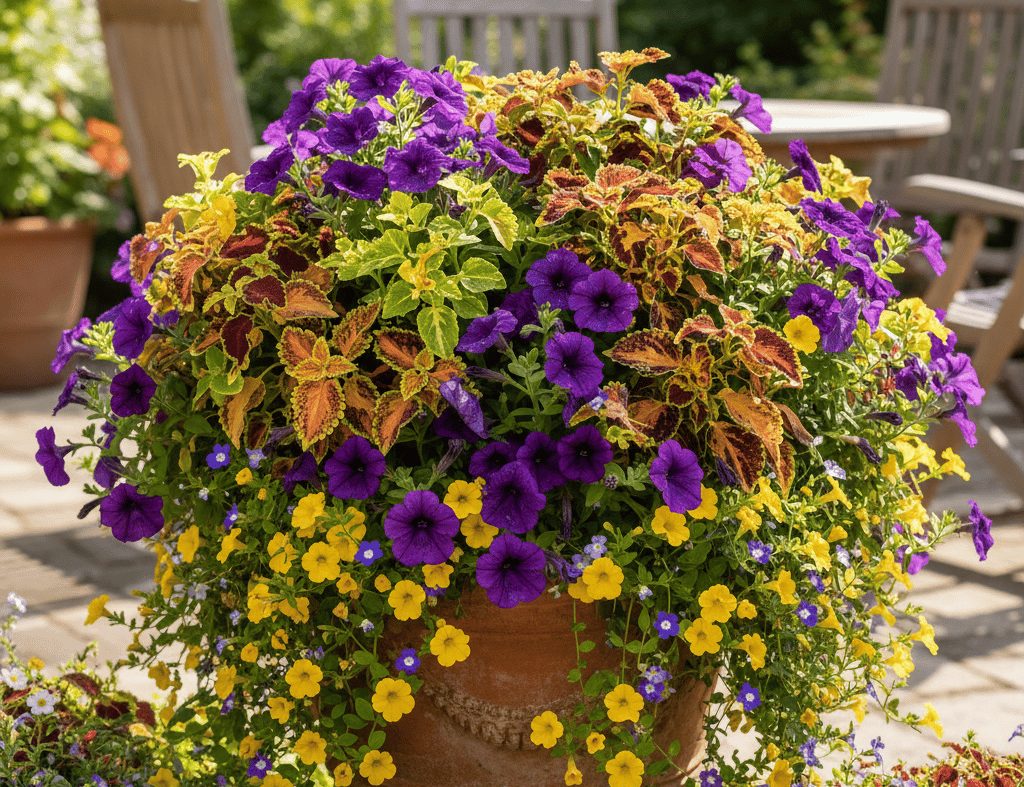
Fillers, as the name suggests, fill in the space around the thriller plants. These plants are generally medium-height and bushy, helping to soften the container and create a sense of fullness. Suitable filler plants could include petunias, calibrachoa, or coleus. When selected carefully, fillers enhance the overall look by bridging the gap between the thriller and the spillers.
Spillers are cascading plants that drape over the edges of the container, bringing a sense of movement and softness. They play a crucial role in providing depth and dimension to the arrangement. Examples of effective spiller plants include trailing geraniums, ivy, or lobelia. By choosing plants with various textures and colors, gardeners can create captivating contrasts that lift the arrangement.
Incorporating the 'Thriller, Filler, Spiller' method in container gardening is an effective way to achieve harmonious and visually impressive displays. By strategically selecting plants for each category, garden enthusiasts can enjoy a well-balanced and organized aesthetic throughout the seasons.
Tips for Year-Round Container Garden Success
Maintaining a flourishing container garden throughout the changing seasons in Pittsburgh's Zone 6 requires careful attention to a series of practices. To begin with, soil selection is crucial; choose a high-quality potting mix enriched with organic matter. This ensures that your containers have the necessary nutrients to support healthy plant growth. Additionally, consider using a soil mix formulated specifically for container gardening, as it enhances drainage and aeration.
Watering is another pivotal aspect of maintaining your container garden. The container environment results in a faster drying out of the soil compared to traditional gardens. Regularly check the moisture level and establish a consistent watering schedule; typically, containers need watering every 2 to 3 days during the warmer months. However, in winter, the frequency may decrease as plant growth slows down considerably.
Implementing proper drainage is equally important. Make sure each container has sufficient drainage holes to prevent water from pooling at the bottom, which can lead to root rot. Adding a layer of gravel or small stones at the base of the pot can aid in effective drainage.
As seasons change, seasonal maintenance becomes essential. In early spring, assess your containers for any signs of wear or damage. Clean them thoroughly to prevent pests and diseases. During summer, apply a slow-release fertilizer to sustain plant vigor. For winter, consider bringing frost-sensitive plants indoors or using insulating materials around the containers to protect the roots from freezing temperatures.
Lastly, regularly pruning your plants throughout the growing season helps to control their size and encourages bushier growth. Monitoring for pests and addressing any issues promptly will help mitigate potential challenges and keep your container garden thriving all year long.
Winter Wonders: Container Gardening in Cold Months
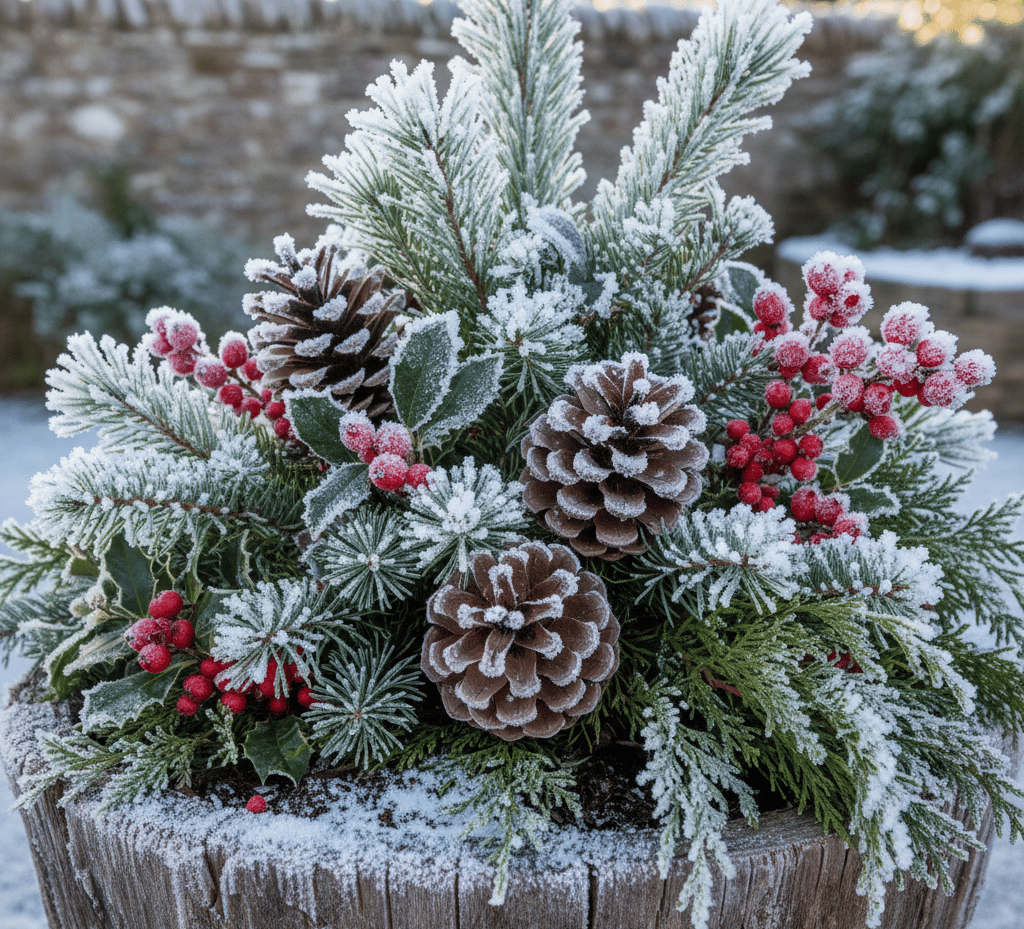
Container gardening during the winter months in Pittsburgh, which falls in USDA Hardiness Zone 6, presents unique opportunities for beauty and creativity. To enhance the visual appeal of your outdoor space during colder weather, consider using evergreen plants, which retain their foliage year-round. Varieties such as boxwood, holly, and certain types of ornamental grasses provide greenery that withstands winter conditions.
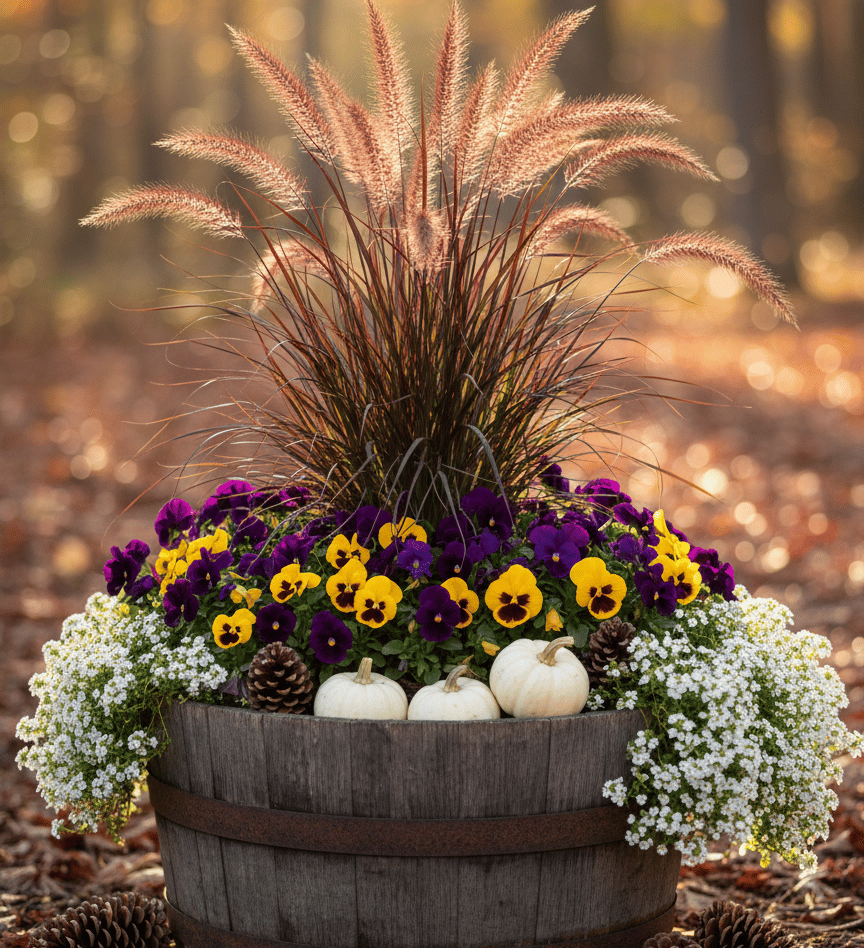
In addition to evergreen plants, incorporating branches and winter decorations can further enliven your container gardens. For example, layering in some decorative twigs, pinecones, or even holiday ornaments can add festive flair. It's important to select hardy materials; they should withstand the elements without fading or deteriorating quickly. For instance, consider using natural elements like birch or dogwood branches, as they not only look beautiful but also can serve as effective focal points amidst the stark winter landscape.
When maintaining container gardens in winter, protecting plants from freezing temperatures is paramount. One effective method is to insulate the pots with materials such as burlap, old blankets, or straw to help trap heat. Placing containers on a surface that offers insulation from the cold ground, such as wood or bricks, can also be beneficial. Additionally, beware of watering needs; although plants need less moisture during the winter, it is essential to ensure that soil does not completely dry out, as this can be damaging.
Choosing hardy plant varieties suitable for winter gardening is crucial. Plants such as pansies, violas, and winter heath are excellent choices, as they can thrive in cooler temperatures. By incorporating these strategies and selecting appropriate plants, gardeners can successfully cultivate a winter container garden that provides enduring beauty throughout the cold months.
Autumn Colors: Transitioning Your Planters
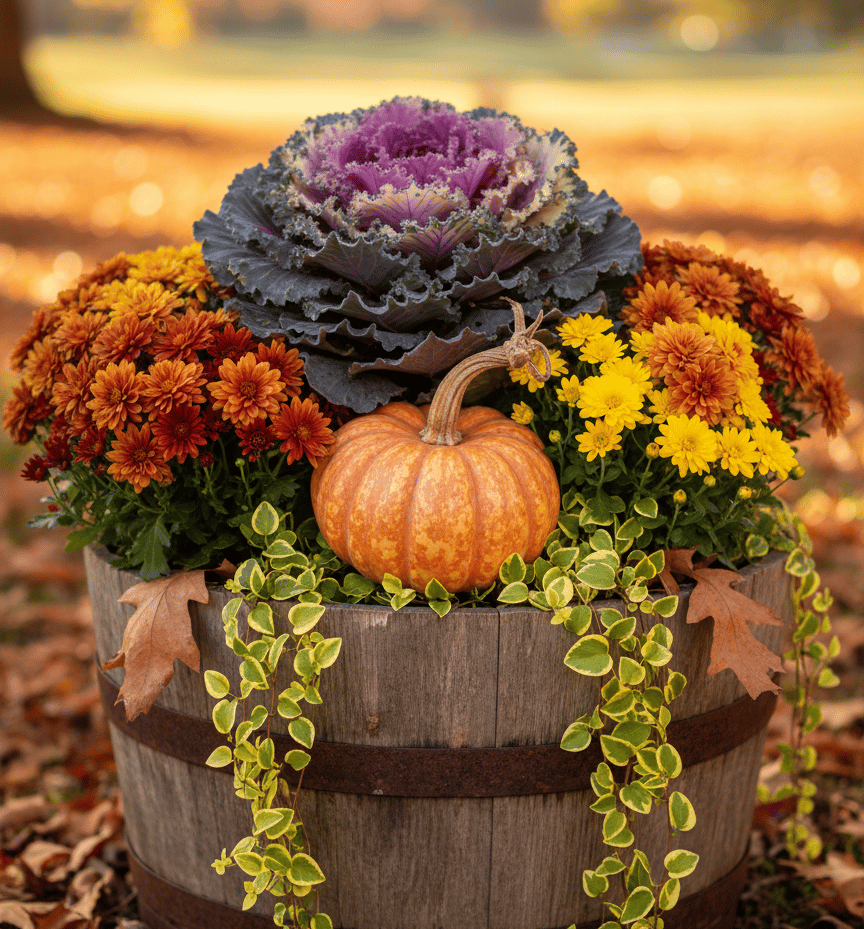
As summer fades and the brisk air of autumn settles in, it is essential to transition your container gardens to reflect the changing season. One of the most popular choices for autumn planters in Pittsburgh's Zone 6 is the decorative mum. Available in a multitude of colors, these hardy plants thrive as the days shorten and temperatures cool, providing rich, warm hues to your outdoor spaces. Incorporating them into your existing planters will instantly revitalize your garden and set a seasonal tone.
Another fantastic option for autumn container displays is ornamental peppers. These eye-catching plants offer a unique addition, with fruits that range from yellow to deep purple. Their striking appearance not only serves as a bold contrast to the softer petals of mums but also complements the overall arrangement beautifully. When selecting your ornamental peppers, consider the mature height and spread to ensure they fit well within your containers, creating a balanced and visually appealing display.
Transitioning from summer to autumn does not have to be complicated. Start by removing summer flowers that have reached the end of their lifecycle, such as petunias or geraniums. Next, gently loosen the soil in your containers to aerate, making way for fresh autumn plants. Incorporate compost to enrich the soil, which will provide nutrients to your new additions. After planting your decorative mums and ornamental peppers, enhance the seasonal vibe by adding additional elements like small pumpkins and gourds around the base of your planters. These naturally decorative items not only enhance aesthetic appeal but also reinforce the autumn theme.
By thoughtfully choosing autumn-specific plants and incorporating seasonal decor, you can effortlessly transition your container gardens, ensuring they stay colorful and inviting through the fall months. This careful planning will allow your outdoor space to reflect the spirit of the season.
Summer Container Highlights: Bright and Bold
As the temperature rises in Pittsburgh during the summer months, gardeners can take advantage of the colorful, diverse array of annuals that thrive in the warm climate. Selecting the right summer annuals for container gardens can infuse life and color into outdoor spaces. Among the most popular choices are lantana, petunias, and geraniums. Each of these flowering plants brings its unique charm and resilience, making them ideal candidates for sunny patios, decks, and gardens.
Lantana is known for its clusters of tiny flowers that attract butterflies and hummingbirds, adding a dynamic element to your container garden. This hardy plant prefers full sun and well-drained soil, making it a well-suited option for Pittsburgh's summer warmth. Regular deadheading will encourage continuous blooms and maintain its appealing shape.
Petunias offer a vast selection of colors and patterns, from soft pastels to striking brights. They are also relatively low maintenance, requiring regular watering and occasional fertilization to support their continuous flowering cycle. A balanced fertilizer, applied every four to six weeks, will provide the necessary nutrients to keep petunias thriving throughout the season.
Geraniums are another summer favorite, known for their bold foliage and bright flowers. They perform well in containers, providing longevity until the first frost. It's recommended to water geraniums thoroughly but allow the soil to dry slightly between applications. Additionally, incorporating a slow-release fertilizer can help sustain their robust growth and flowering.
To create stunning summer container gardens, it's essential to regularly monitor moisture levels and adjust your watering schedule according to rainfall and temperature. Ensuring consistent care through adequate watering and fertilization will foster a colorful and thriving garden throughout the summer months.
Spring Planting: Best Choices for Your Containers
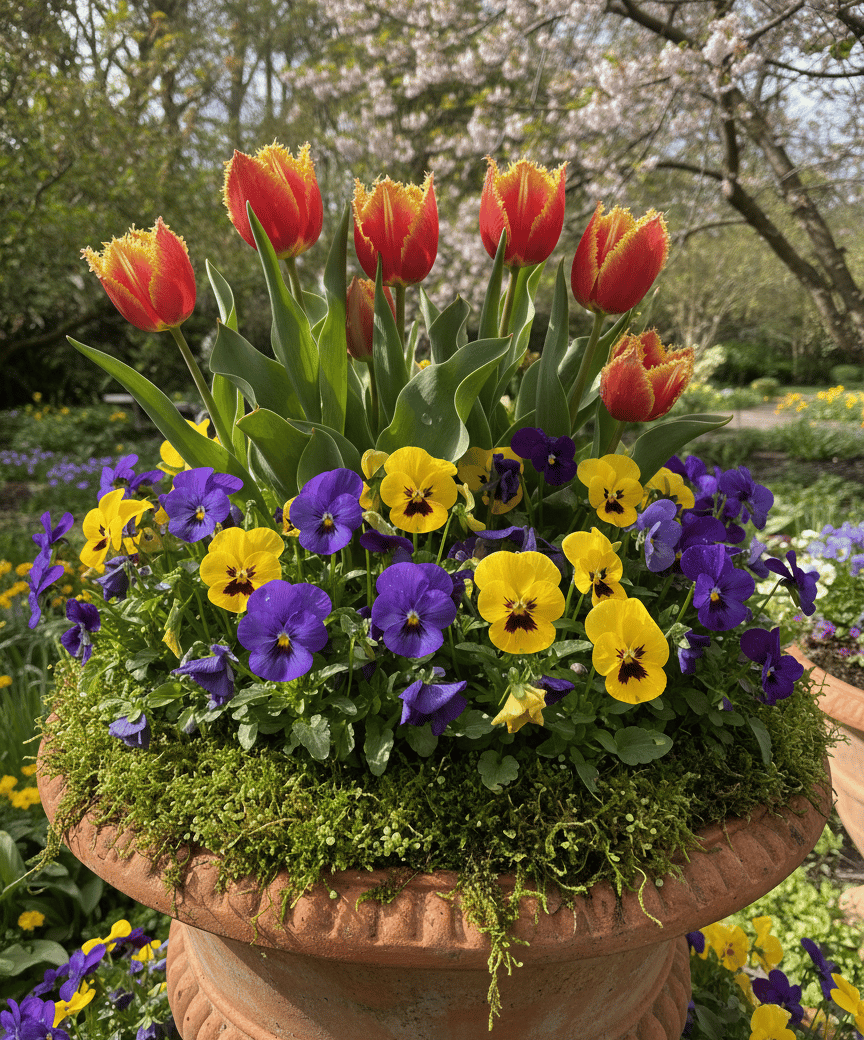
Spring marks the ideal time for gardening enthusiasts to begin container gardening in Pittsburgh Zone 6. As temperatures gradually rise, the vibrancy of spring blooms becomes increasingly apparent, making this season perfect for planting. Among the stellar choices for spring container gardens are tulips and pansies, which not only provide color but also offer resilience in the fluctuating temperatures of early spring.
Tulips, known for their graceful shapes and wide range of colors, can be planted in containers as soon as the soil thaws in early spring. Opting for varieties like Triumph, Darwin Hybrid, or fringed tulips ensures a stunning display, as these types are particularly hardy and bloom reliably. For optimal growth, plant tulip bulbs at a depth of about 6 to 8 inches, allowing adequate space for lateral root development.
Pansies are another wonderful option for spring containers, as their cheerful faces symbolize the arrival of warmer weather. These versatile flowers can be planted as soon as the soil is workable, often as early as March. Their ability to thrive in cooler temperatures makes them ideal for early-season gardening. Pansies come in an array of colors and can be interplanted with other spring bulbs to create a layered effect that adds depth and interest to your container arrangement.
When planning your container garden, consider incorporating a variety of textures and colors to enhance visual appeal. For instance, combining the upright growth of tulips with the trailing nature of ivy or licorice plant can create a dynamic arrangement. Additionally, mixing different flower species encourages biodiversity, beneficial for pollinators such as bees. Remember to regularly water and fertilize your containers during the growing season to ensure strong blooms and healthy plant development.
Plantburgh®
Rooted in the 412.
Contact
contact@plantburgh.com
(412) 576-7894
© 2026 Plantburgh LLC. All rights reserved.
Hours
By appointment
Location
Pittsburgh, PA
Who We Serve
