
Companion Planting in Pennsylvania
Companion planting in Pennsylvania: how marigolds, borage and the Three Sisters method help repel pests and raise Zone 6 garden yields. A Plantburgh® guide.
A. Reihl
3/17/20265 min read
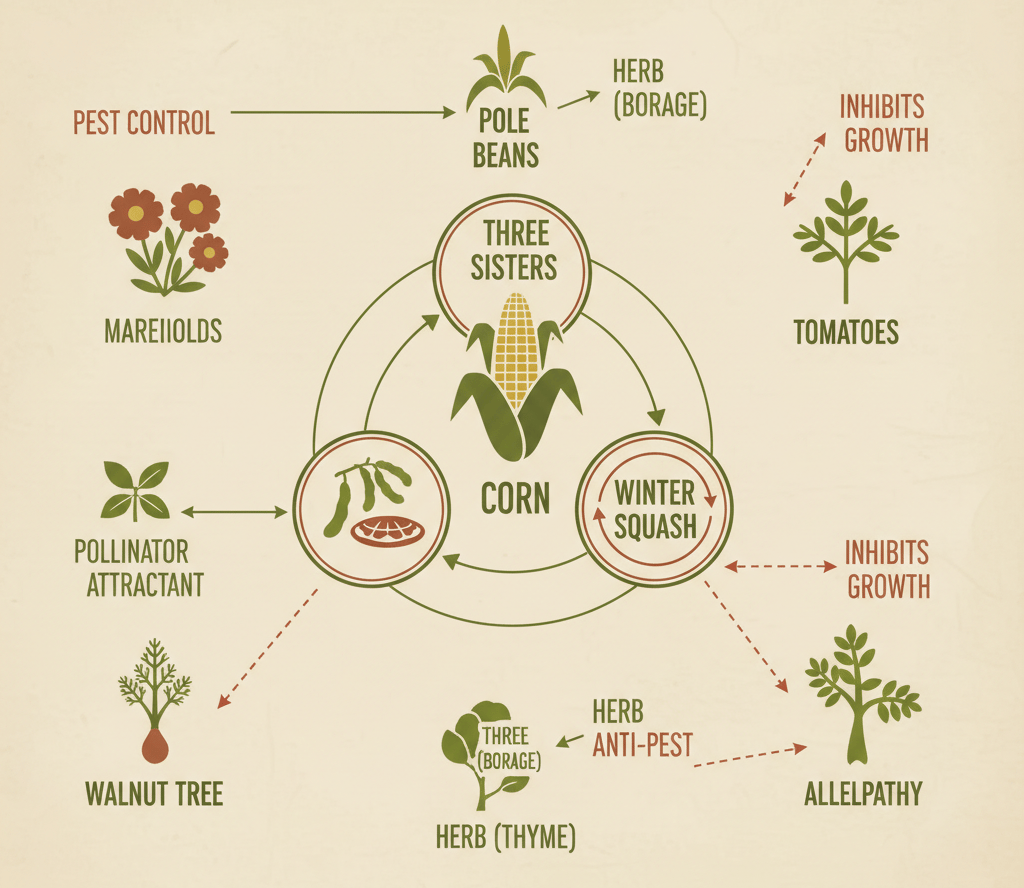
Understanding Companion Planting and Its Benefits
TL;DR: Companion Planting in PA
Pest Control: Plant Marigolds with tomatoes to repel aphids and nematodes.
Pollination: Use Borage to attract bees and improve the flavor of strawberries.
Space Efficiency: Use the Three Sisters Method (Corn, Beans, Squash) to create a self-sustaining ecosystem.
Local Tip: In Western PA, wait until late April to plant your warm-season companions to avoid the last frost.Companion planting is a strategic agricultural practice that involves growing specific plants in close proximity to one another to enhance growth, detract pests, and optimize the health of the garden ecosystem. This method finds its roots in ancient agricultural traditions across various cultures, where farmers observed the natural relationships between plants. For Pennsylvania gardeners, understanding this method can lead to a more productive and resilient garden.
The primary advantage of companion planting lies in its ability to foster synergies between plant species. For instance, certain flowers, like marigolds, are renowned for their ability to repel aphids and nematodes. When planted alongside vegetables such as tomatoes or peppers, these flowers not only protect the crops but can also enhance their overall growth through a mutualistic relationship. This interplay highlights the importance of plant variety and biodiversity within the garden.
Additionally, companion planting can contribute significantly to soil health. Certain plants have deep root systems that can break up compacted soil, improving aeration and drainage. Others may be nitrogen-fixing plants, like legumes, that enrich the soil, benefiting neighboring crops. Moreover, by creating a more balanced ecosystem, companion planting helps maintain pest populations in check, which can minimize the reliance on chemical pesticides.
Furthermore, this gardening strategy can promote biodiversity, an essential element for a thriving garden. By encouraging various plant species to coexist, gardeners can create habitats that support beneficial insects and pollinators, leading to a healthier garden environment. The integration of companion planting practices not only enhances the growth of individual plants but also promotes a sustainable approach to gardening that respects the natural interplay of life.
Utilizing Marigolds for Pest Control
Marigolds are a standout choice for gardeners in Pennsylvania seeking natural pest control solutions. These bright flowers not only decorate garden beds but also play a vital role in maintaining plant health. Primarily, marigolds are renowned for their ability to repel a variety of harmful pests. For instance, they are particularly effective in deterring nematodes and aphids, which can significantly damage crops like tomatoes and peppers. The scent produced by marigold plants is unappealing to these pests and acts as a natural barrier, ensuring the safety of neighboring plants.
Furthermore, marigolds possess the unique ability to attract beneficial insects, such as ladybugs and lacewings. These insects are predators of aphids and other garden nuisances, thereby enhancing the overall ecosystem within the garden. By promoting the presence of these helpful creatures, marigolds contribute to a balanced garden environment, fostering biodiversity and minimizing the reliance on chemical pesticides.
When incorporating marigolds into your Pennsylvania garden, it is essential to consider their compatibility with other plants. They thrive well when planted alongside vegetables and herbs, serving not only as companions but also as protective allies. For instance, planting marigolds near tomato plants can enhance yields while reducing the chance of common tomato pests. Gardeners should aim to intersperse marigolds throughout their plots or create dedicated borders for a visually appealing and functionally effective integration.
In summary, leveraging marigolds for pest control presents a compelling strategy for gardeners looking to cultivate healthier plants in Pennsylvania. Their ability to repel harmful insects and attract beneficial ones ensures their place as a crucial element in companion planting strategies. By thoughtfully incorporating these beautiful flowers into various garden layouts, gardeners can enjoy both aesthetic and practical benefits, leading to bountiful and resilient harvests.
Borage: A Pollinator Magnet
Borage (Borago officinalis) is increasingly recognized in gardening for its remarkable ability to attract pollinators, making it an invaluable companion plant. Within the context of Pennsylvania's climate, borage flourishes, providing abundant flowers that serve as a magnet for bees, butterflies, and other beneficial insects. This pollinator-friendly characteristic not only enhances the ecological balance in the garden but also significantly boosts the growth and yield of nearby vegetables, such as tomatoes and squash, which rely on these pollination activities for optimal fruit set.
In addition to its role in fostering biodiversity, borage has culinary applications. The plant's bright blue flowers and tender leaves can be used in salads, teas, and as a garnish, adding both flavor and nutritional value to dishes. The leaves are rich in vitamins and can be utilized fresh or dried, offering gardeners a dual-purpose plant that enhances both the garden's productivity and its culinary aesthetics.
Caring for borage in Pennsylvania is relatively straightforward. This annual herb prefers well-drained soil and full sun exposure, making it ideal for most garden settings. It is also known for its resilience and ability to tolerate less-than-ideal conditions, which makes it a low-maintenance option. When planting borage, consider positioning it near crops that benefit from enhanced pollination, such as cucumbers, strawberries, and most legumes. Proper spacing is crucial, as borage can grow quite large, reaching heights of up to three feet. Regular harvesting of its leaves and flowers can also help maintain the plant's vigor and prevent it from becoming overly invasive.
In summary, incorporating borage into your garden not only attracts essential pollinators but also enhances the overall health and productivity of your vegetable crops. Its culinary uses further enrich the gardener's experience, making borage a prime candidate for Pennsylvania gardens that value both beauty and functionality.
The Three Sisters Planting Method: Corn, Beans, and Squash
The traditional planting method known as the "Three Sisters" is a time-honored technique that emphasizes the complementary growth of corn, pole beans, and squash. This symbiotic relationship not only maximizes the use of space in a garden but also improves resource efficiency, particularly in the diverse conditions found throughout Pennsylvania.
Planting begins with corn, which should be sown in early May, as it requires warm soil for optimal growth. Once the corn reaches a height of approximately six inches, pole beans can be planted alongside. The beans will naturally climb the corn stalks, enhancing vertical growth while fixing nitrogen in the soil. This is particularly beneficial as most garden soils can become depleted of this essential nutrient over time.
Squash, typically planted a few weeks later, thrives on the ground surrounding the corn and beans. Its broad leaves provide natural mulch, helping to suppress weeds and retain moisture, which is crucial during the warmer months. The interdependence of these crops not only maximizes yield but also extends the growing season by ensuring that resources are effectively utilized.
However, gardeners should be aware of certain common pitfalls associated with the "Three Sisters" method. A primary consideration is the impact of nearby black walnut trees, which release juglone, a chemical that can be detrimental to the growth of many plants, including the Three Sisters. Therefore, it is advisable to maintain a safe distance, at least 50 feet, from black walnut trees when employing this planting method.
By following these techniques and remaining conscientious of local environmental factors, gardeners can successfully implement the Three Sisters method in their Pennsylvania gardens, ultimately leading to a healthier and more productive harvest.
Plantburgh®
Rooted in the 412.
Contact
contact@plantburgh.com
(412) 576-7894
© 2026 Plantburgh LLC. All rights reserved.
Hours
By appointment
Location
Pittsburgh, PA
Who We Serve
