
Continuous Bloom Cycles in Pittsburgh
Plan continuous bloom in Pittsburgh with native perennials. See which local plants flower from spring to fall for a resilient, low-maintenance garden border.
PENNSYLVANIA
A. Reihl
3/17/20268 min read
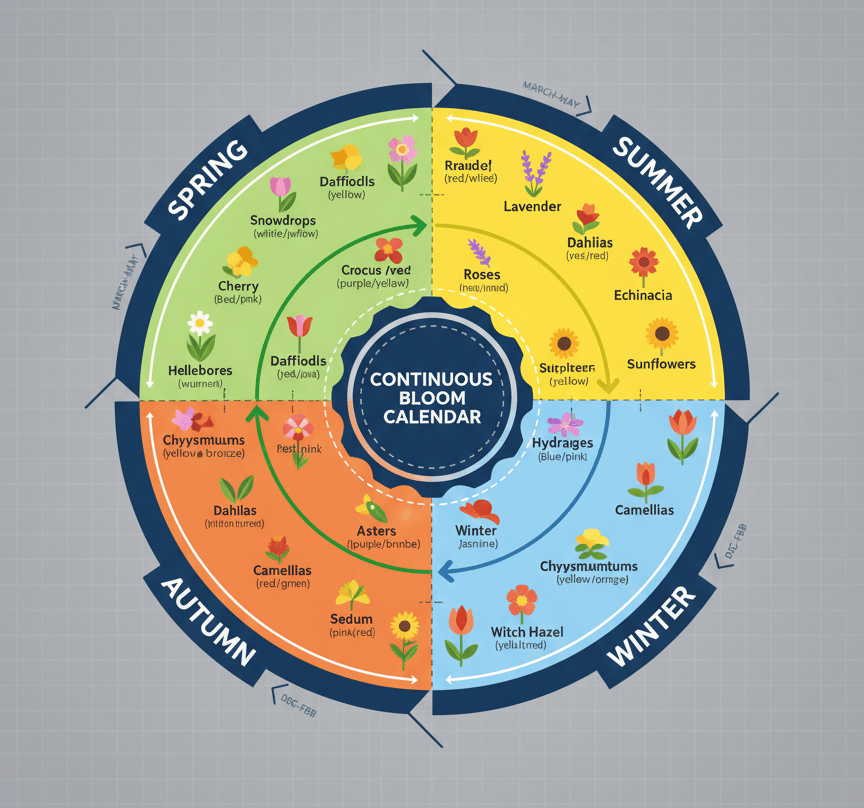
Understanding Bloom Cycles: An Overview
TL;DR: To achieve a continuous bloom in Pittsburgh, layer native species like Prairie Blazing Star for mid-summer and Common Ironweed for late-season color.
Bloom cycles refer to the seasonal sequence of flowering periods of various plant species. These cycles play a critical role in horticulture and ecology, influencing not only the aesthetic appeal of landscapes but also the broader ecological dynamics of local ecosystems. Understanding these cycles is essential for gardening enthusiasts, landscapers, and ecologists alike, as they provide insights into the timing and patterns of plant life.
The seasonal patterns of flowering plants are predominantly dictated by environmental factors such as temperature, light duration, and moisture availability. Typically, bloom cycles begin with the warming temperatures of spring, which trigger growth and flowering in many species. As temperatures rise and daylight hours increase, different plants initiate their reproductive processes, thereby contributing to a succession of blooms throughout the growing season. For instance, early bloomers like crocuses and daffodils herald the arrival of spring, while other species may bloom later as summer approaches.
However, bloom cycles can vary significantly based on climate, geographic location, and individual species traits. Plants adapted to temperate climates often have distinct spring and summer bloom periods, while tropical and subtropical plants may present a more continuous blooming pattern throughout the year. Additionally, some species exhibit flexible bloom cycles, adjusting their flowering based on climatic conditions, which can include shifts caused by climate change.
By understanding bloom cycles, horticulturists can enhance landscape design and plant selection, ensuring that gardens provide visual interest and ecological benefits throughout the year. It’s imperative for gardeners and ecologists to acknowledge these cycles to foster sustainable practices and promote biodiversity within their environments. Ultimately, grasping the complexities of bloom cycles lays the groundwork for an appreciation of seasonal shifts and plant interactions in diverse ecological frameworks.
The Unique Climate of Pittsburgh: A Breeding Ground for Blooms
Pittsburgh's climate is characterized by a humid continental weather pattern, which plays a significant role in the region's rich and diverse plant life. The city's four distinct seasons feature warm summers and cold winters, with average temperature ranges allowing for a variety of bloom cycles. Typically, Pittsburgh experiences summer highs averaging around 82°F (28°C) in July, while winter temperatures can plunge to around 23°F (-5°C) in January. This temperature variation is crucial, as it creates a suitable environment for various flora to thrive.
The average annual precipitation in Pittsburgh is approximately 37 inches (940 mm), distributed fairly evenly throughout the year. This consistent moisture is vital for plant development, allowing for an extended growing season that supports multiple bloom cycles. The ample rainfall ensures that the soil remains nutrient-rich while providing necessary hydration to budding plants and flowers. Furthermore, the mild springs often result in an early onset of bloom cycles, making it possible for several species to flourish simultaneously.
Daylight hours also significantly impact the blooming patterns within the Pittsburgh region. The lengthening days of spring and summer encourage photoperiod-sensitive plants to begin their blooming processes. Gardens in both urban and rural settings flourish as the city's green spaces absorb the light and warmth, leading to the impressive floral showcases seen in neighborhoods and parks alike. Additionally, the urban heat island effect in certain areas allows for a microclimate where sensitive species manage to thrive even beyond their typical zones. This diversity in climate, coupled with the geographical features of Pittsburgh, creates a rich mix of plant life that is truly exceptional.
Perennial Plants that Thrive in Pittsburgh's Climate
Pittsburgh's unique climate presents an excellent environment for various perennial plants, which not only enhance local gardens but also contribute to continuous bloom cycles. Among these resilient species, daylilies (Hemerocallis) stand out due to their hardiness and adaptability. Blooming from early summer to fall, daylilies offer bright colors and attractive foliage. They require minimal maintenance and thrive in well-drained soil with full sun to partial shade, making them an ideal choice for both novice and experienced gardeners in the Pittsburgh area.
Peonies (Paeonia), another beloved perennial, bloom in late spring to early summer, producing stunning, large flowers that come in various hues. They prefer full sun and well-aerated, fertile soil. With a little protection from harsh winter winds, peonies can flourish for decades, providing a timeless beauty to perennial gardens. Additionally, their aroma and cut flowers make them a favorite for floral arrangements.
Furthermore, hydrangeas (Hydrangea spp.) are prominent contributors to continuous bloom cycles with their impressive flower clusters that often last throughout the summer and into fall. These plants prefer a slightly shaded environment along with rich, moist soil. Different varieties, such as the smooth hydrangea and the panicle hydrangea, have unique bloom periods, allowing cultivators to strategize their arrangement for back-to-back flowering, thus ensuring a colorful display for most of the growing season.
Each of these perennial plants plays an integral role in creating a visually appealing landscape, showcasing how carefully selecting the right species can contribute to the overall beauty and longevity of gardens in the Pittsburgh region. By understanding their growth habits and care requirements, gardeners can successfully cultivate a diverse set of blooms that thrive throughout the seasons.
Seasonal Changes: Timing the Blooms in Pittsburgh
The Pittsburgh region experiences a diverse range of blooms throughout the four seasons, creating a steady mix of colors and fragrances for garden enthusiasts and nature lovers alike. Each season brings its own array of flowers, making it essential for gardeners to understand the timing of these bloom cycles in order to foster continuous color in their gardens.
In spring, Pittsburgh awakens with a flourish as bulbs and early bloomers push through the thawing ground. Popular springtime flowers include daffodils, tulips, and hyacinths, typically blooming from late March to May. These flowers provide a cheerful start to the gardening year and serve as a foundational layer for spring displays.
As temperatures rise, summer unveils an impressive variety of blooms, including sunflowers, coneflowers, and daylilies. This season often showcases the fullest colors and is marked by abundant flowering plants from June through August. Gardeners can create layered planting schemes with perennials and annuals that reach their peak blooms at varying intervals throughout the summer.
Fall brings a stunning transition, with a unique selection of late bloomers like asters and goldenrods. These flowers typically bloom from September to October, providing a charming backdrop as the foliage changes. Including plants that bloom late in the season can help extend color well into autumn.
Even winter offers opportunities for garden interest with the inclusion of evergreen plants and winter-blooming varieties such as hellebores. Though the blooming opportunities in winter are more limited, careful selection can keep some color in the garden all year round.
For gardeners in Pittsburgh, it’s important to plan carefully to ensure a succession of blooms throughout the seasons. By selecting flowers that bloom at different times, one can achieve continuous color and interest, keeping the landscape in bloom from spring through winter.
Challenges to Continuous Blooming: Pests, Diseases, and Climate Change
Gardening in the Pittsburgh region, known for its rich biodiversity, presents unique challenges when aiming for continuous blooming throughout the seasons. Among the foremost challenges are pests and diseases that can adversely impact the flowering periods of various plants. Common pests, such as aphids, spider mites, and caterpillars, often invade gardens, feeding on flora and potentially leading to stunted growth and reduced blooming. To combat these nuisances, gardeners can employ integrated pest management strategies, including introducing beneficial insects, utilizing insecticidal soaps, and practicing crop rotation to decrease pest populations.
In addition to pests, various diseases, including powdery mildew, root rot, and blight, can threaten plant health and flowering cycles. Such maladies thrive in the Pittsburgh region's humid climate, particularly during warm summer months. To mitigate these risks, proper plant selection becomes critical; choosing disease-resistant varieties can significantly enhance the potential for continuous blooming. Moreover, maintaining good air circulation, applying fungicides as necessary, and ensuring plants are not overcrowded contribute to healthier growth and extended bloom periods.
Another significant challenge is climate change, which affects traditional blooming timelines. The fluctuating temperatures and erratic weather patterns can lead to early blooming or delayed flowering, disrupting the anticipated cycles. This unpredictability urges gardeners to adapt by monitoring local climate trends and adjusting their planting schedules accordingly. Additionally, utilizing seasonally appropriate mulching techniques can help regulate soil temperature, insulating root systems against extreme fluctuations, thus supporting continuous bloom cycles. By understanding the interaction of pests, diseases, and climate factors, gardeners can better address these challenges and foster flourishing gardens throughout the year.
Gardening Tips for Achieving Continuous Blooms
Creating a garden that features continuous blooms throughout the seasons requires thoughtful planning and execution. One of the foundational steps in establishing a healthy garden in the Pittsburgh region is selecting the right plants. Opt for a combination of perennials and annuals that thrive in the local climate. Popular choices include daylilies, coneflowers, and asters for perennials, and petunias, marigolds, and geraniums as annuals. Leveraging a diverse range of flowering plants ensures that something is always in bloom, providing an ever-changing display.
Companion planting is another effective strategy to enhance bloom cycles. Certain plants can coexist symbiotically, not only improving each other’s growth rates but also extending flowering periods. For instance, pairing chamomile with flowering plants can enhance their blooming capacity while warding off pests. Additionally, spacing plants correctly allows for optimal sunlight exposure and air circulation, which are crucial for healthy growth and extended blooming.
Soil preparation is critical in fostering a flourishing garden. Conduct a soil test to understand the pH levels and nutrient content of your garden bed. Enriching the soil with compost can enhance its fertility and structure, promoting healthier plant growth. Furthermore, maintaining consistent watering practices is essential to support continuous blooming. Adequate watering schedules, preferably early in the morning or late in the afternoon, will ensure that plants remain hydrated without suffering from heat stress.
Seasonal maintenance cannot be overlooked. Regularly deadheading spent blooms encourages plants to produce more flowers. Additionally, seasonal pruning helps maintain plant health and promotes bushier growth. By incorporating these gardening tips and practices tailored to the Pittsburgh region, gardeners can achieve the visually stunning effect of continuous blooms, enhancing the beauty and biodiversity of their gardens.
Community Engagement: Local Events and Resources
In the Pittsburgh region, community engagement plays a pivotal role in the promotion and appreciation of continuous bloom cycles. Numerous local events throughout the year encourage residents to participate actively in gardening practices and public horticulture. These gatherings not only provide valuable information on sustainable gardening but also foster a sense of community among flower enthusiasts.
One prominent event is the annual Pittsburgh Flower Show, renowned for its exquisite displays and innovations in floral design. This event showcases a variety of plants suited for continuous blooming, offering invaluable resources for gardeners of all skill levels. Workshops led by expert horticulturists provide hands-on experiences that emphasize the importance of strategically selecting flowering plants to extend bloom cycles.
Local nurseries in the area, such as the Phipps Conservatory and Botanical Gardens, often host educational workshops and seminars focusing on perennials and native plants that bloom throughout the gardening season. These resources are pivotal for those interested in implementing continuous bloom cycles in their gardens. They not only encourage the use of plants that are well adapted to the local climate but also promote biodiversity.
Moreover, gardening clubs such as the Pittsburgh Garden Club offer members access to a wealth of knowledge and networking opportunities. These organizations often organize community gardens, where residents can come together to create shared spaces filled with continuously blooming plants. Engaging in such clubs opens pathways to friendship while contributing to the beautification of the local environment.
By taking part in these events and utilizing community resources, individuals can deepen their understanding of continuous bloom cycles and inspire others to cultivate flourishing gardens.
Plantburgh®
Rooted in the 412.
Contact
contact@plantburgh.com
(412) 576-7894
© 2026 Plantburgh LLC. All rights reserved.
Hours
By appointment
Location
Pittsburgh, PA
Who We Serve
