
Square Foot Gardening in Pittsburgh
Square foot gardening in Pittsburgh: how to build a 4x4 raised bed, what to grow in Zone 6, and how to get a generous harvest from a small backyard footprint.
A. Reihl
3/17/20265 min read
Introduction to Square Foot Gardening (SFG)
TL;DR: Square Foot Gardening in Pittsburgh
Maximize your urban harvest by dividing a 4x4 raised bed into 16 individual squares.
The Method: Use "Mel’s Mix" (compost, peat moss, vermiculite) to eliminate weeds and boost drainage.
Best Crops for Zone 6: Plant Tomatoes, Bell Peppers, and Basil in full sun (6-8 hours).
Pittsburgh Timing: Start your warm-season crops in late April to early May once the frost risk passes.
Maintenance: Water deeply twice a week and use Marigolds as companion plants to deter local pests naturally.
Square Foot Gardening (SFG) is an innovative gardening method that focuses on maximizing yield while minimizing space. Developed by Mel Bartholomew in the 1980s, this technique organizes plants in a grid layout, allowing gardeners to effectively utilize every inch of their garden space. SFG is particularly advantageous for urban areas like Pittsburgh, where residents often face constraints in terms of available outdoor space.
A significant aspect of Square Foot Gardening is its ability to drastically reduce weed growth. With SFG, each square foot of the garden is planted with a specific amount of seeds or seedlings, which effectively outcompetes weeds. This method of gardening not only conserves soil moisture but also simplifies maintenance, making it easier for both novice and seasoned gardeners to manage their plots. Furthermore, the raised beds commonly used in SFG promote better drainage and soil quality, elements that are crucial for successful gardening in regions with varied climates.
Another advantage of SFG is the enhanced accessibility it offers for urban gardeners. The square foot layout allows individuals with limited mobility to cultivate their gardens without the inconvenience of bending down or stretching. This makes SFG an inclusive gardening method, inviting participation from diverse demographic groups in Pittsburgh. With its emphasis on efficiency and productivity, Square Foot Gardening enables urban gardeners to grow a wide variety of crops, including vegetables, herbs, and even flowers, in a compact area.
In summary, Square Foot Gardening stands out as a practical and effective solution for those seeking to grow their own food in limited spaces such as city gardens. It not only fosters community engagement in urban settings but also encourages sustainable practices among local gardeners.
Choosing the Right Crops for Zone 6
When engaging in square foot gardening, particularly in Zone 6, selecting the appropriate crops is crucial for maximizing yield within a limited space. This region is characterized by an average last frost date between mid-April and the beginning of May, with the first frost typically occurring in late October. Understanding these climatic conditions will help in choosing crops that thrive in this environment.
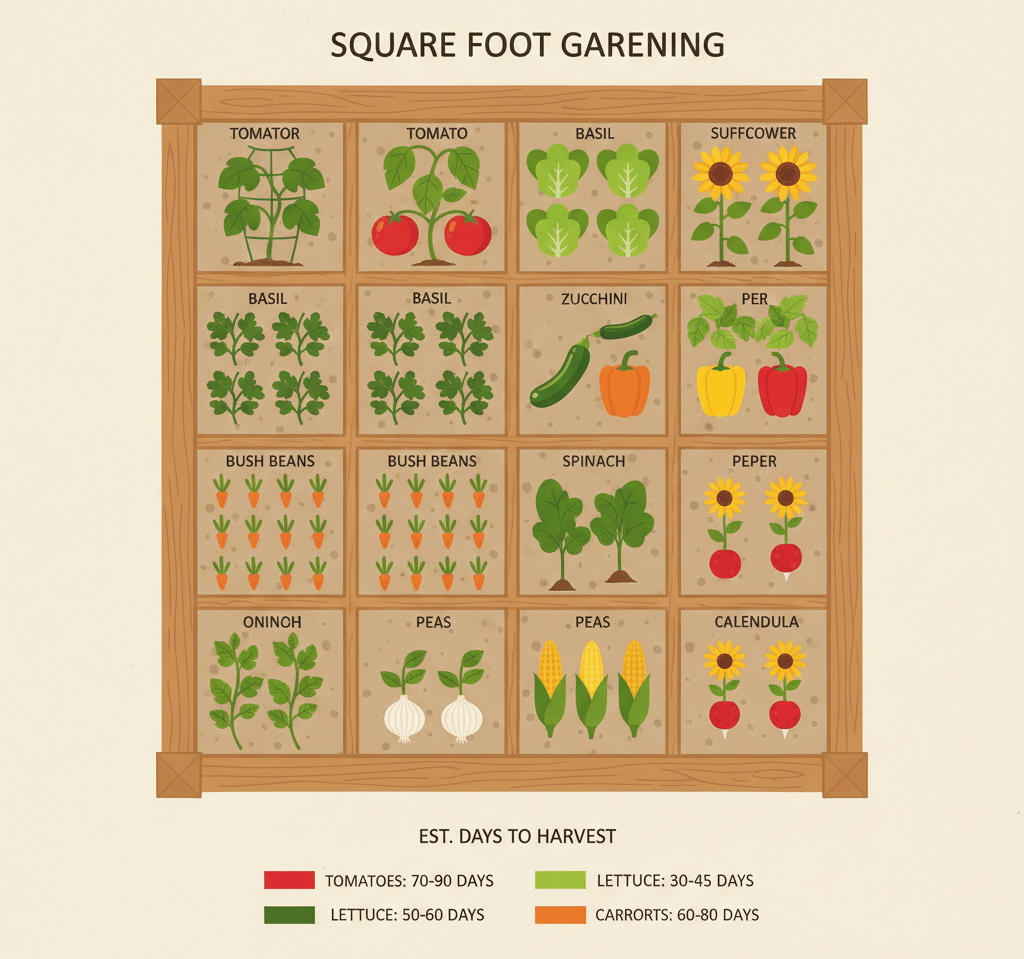
Tomatoes are one of the most popular choices for gardeners in Zone 6. These plants require full sunlight, so selecting a spot in your 4x4 raised bed with at least 6-8 hours of sunlight daily is essential. They should be spaced approximately 12 inches apart to allow for proper airflow and growth. Support structures such as cages or stakes are recommended to promote vertical growth, optimizing space usage.
Basil, which is not only a culinary favorite but also a beneficial companion plant for tomatoes, flourishes in similar conditions. It requires full sun and well-drained soil. Planted close to tomatoes, it can enhance their flavor and help repel pests. To maximize space in your raised bed, basil can be planted in a square foot, leaving enough room for air circulation and easy access for harvesting.
Bell peppers are another excellent choice, requiring a sunny spot and are best spaced around 12-18 inches apart. These colorful vegetables are drought-resistant and can produce a generous yield if cared for properly. They can benefit from companion plants such as marigold, which deter pests while providing color.
Finally, calendula offers both aesthetic and practical benefits in a square foot garden. This low-maintenance flower attracts beneficial insects that help pollinate crops and can be used in companion planting. Calendula thrives in full sun and should be spaced about 12 inches apart to allow for growth.
The importance of seasonal timing cannot be overstated. Understanding when to plant these crops can significantly influence your success. Crop rotation is also highly advisable, as it ensures that plant nutrients are replenished and helps prevent pest and disease buildup. By combining timely planting with cohesive crop choices, securing sustained yields from your small garden space is entirely achievable.
Designing Your 4x4 Raised Bed Layout
Creating an efficient layout for a 4x4 raised bed using the Square Foot Gardening (SFG) method requires careful planning and consideration of various factors. This gardening approach, particularly suited to urban environments like Pittsburgh, promotes maximum yield in limited space. To begin, consider dividing your raised bed into 16 one-foot square sections, allowing for effective cropping within each square.
When selecting plants, opt for a mix of fast-growing vegetables and herbs. For instance, pairing taller crops like tomatoes or peppers with shorter ones such as lettuce or radishes can optimize light distribution. This strategic arrangement ensures that taller plants do not cast excessive shade on their shorter neighbors, reinforcing healthy growth and maximizing yield.
Another key factor in designing your raised bed is spacing. Adhere to the recommended spacing guidelines for each plant variety, which will aid in air circulation and prevent overcrowding. This practice not only diminishes competition for nutrients but also reduces the risk of pest infestations and diseases. Utilize plant companion strategies; for example, planting marigolds alongside vegetables can deter certain pests.
Utilizing appropriate building materials for your raised bed is essential in the SFG method. Cedar or redwood are great options, as they resist rotting and provide a long-lasting structure. Ensure to fill your bed with a quality soil mix, composed of compost, peat moss, and vermiculite, which will support optimal growth.
Lastly, consider incorporating barriers made from materials such as hardware cloth to keep pests away, while also laying down mulch around your plants to suppress weed growth. In doing so, you create a thriving, productive garden that exemplifies the principles of Square Foot Gardening, ensuring a fruitful outcome for your gardening endeavors.
Maintenance Tips for a Thriving Garden Throughout the Season
Maintaining a square foot garden (SFG) throughout the Pennsylvania growing season is essential for maximizing yield and ensuring that your garden remains healthy and productive. One of the key aspects of maintenance is establishing an effective watering schedule. In general, SFGs require consistent moisture to thrive. A good rule of thumb is to water deeply once or twice a week, adjusting based on rainfall and temperature fluctuations. It is advisable to check the soil moisture regularly to ensure the plants are not over or under-watered, as this can lead to stress and diminished harvests.
In addition to proper watering, implementing organic pest control methods is crucial for maintaining plant health. Regularly inspect plants for signs of pests and diseases. Natural remedies such as neem oil or insecticidal soap can provide effective solutions without harming beneficial insects. Encouraging natural predators, such as ladybugs and lacewings, can further help manage pest populations. Creating a biological balance in your garden also improves resilience against common urban gardening challenges.
Nutrient supply is another pivotal aspect of SFG maintenance. Regularly incorporating compost or organic fertilizers into the soil will help provide necessary nutrients to your plants. Composting kitchen scraps and yard waste is an effective way to enhance the nutrient content of your garden soil while minimizing waste. Additionally, timely harvesting is important as it encourages ongoing production. Vegetables that are picked at their peak ripeness not only taste better but also promote the growth of new fruits and flowers.
Addressing any common issues promptly, such as wilting leaves or slow growth, is essential. Diagnosis often involves examining soil quality and ensuring adequate sunlight. With these maintenance tips, gardeners in Pittsburgh can enjoy a flourishing SFG that maximizes their harvest in limited space.
Plantburgh®
Rooted in the 412.
Contact
contact@plantburgh.com
(412) 576-7894
© 2026 Plantburgh LLC. All rights reserved.
Hours
By appointment
Location
Pittsburgh, PA
Who We Serve
